Pregnancy Complications
Infant- and Family-Centered Developmental Care
Respiratory Infections
Neonatal Eye Health
Hygiene
Rare Diseases
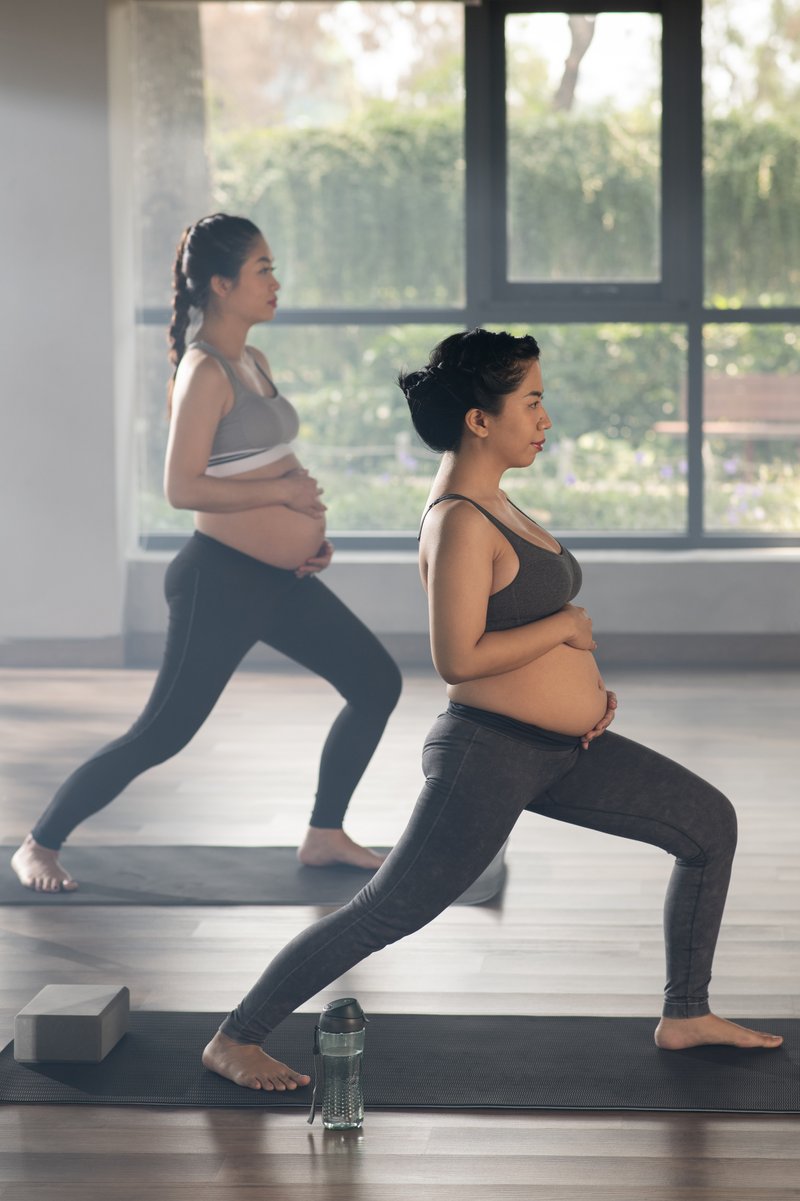
Many pregnant individuals do not reach recommended levels of physical activity, even though staying active is linked to better health for both parent and infant. Physical activity is often discussed in general terms during prenatal care, but it is not always assessed in a structured way. The featured study is a narrative review from the United States that examined existing research and clinical practice around physical activity during pregnancy. It brings together evidence from many previous studies rather than reporting on a single group of participants. This Research News is written for parents of preterm infants and neonatal nurses who want to better understand how pregnancy care can support infant health. The review concludes that treating physical activity as a vital sign during pregnancy could help improve counseling, support healthier behaviors, and strengthen prenatal care.
Physical activity during pregnancy supports maternal health and may also influence infant outcomes. Yet most pregnant individuals do not meet recommended activity levels. In routine care, measures like blood pressure and weight are checked regularly, but physical activity is often overlooked. This gap can limit opportunities for timely guidance and support. Improving how physical activity is addressed in prenatal visits may strengthen overall quality of care.
The reviewed article explores physical activity as a vital sign in prenatal care. Rather than focusing on new experiments, it summarizes decades of research on activity levels, barriers, and clinical practice. The authors describe how physical activity can be assessed simply and repeatedly during pregnancy. They argue that this approach could help health professionals identify individuals who need extra support.
The review explains that physical activity can be treated like other vital signs that reflect health status. Many pregnant individuals face barriers such as fatigue, lack of time, or concerns about safety. When physical activity is routinely assessed, these challenges can be identified earlier. The authors note that regular discussion can encourage tailored advice instead of one-size-fits-all messages. This approach may help individuals maintain or increase activity across pregnancy. Over time, it can also improve communication between pregnant individuals and care teams.
Under the same theme, the article highlights additional findings. Physical activity levels often decline as pregnancy progresses. Differences are also seen across socioeconomic and cultural contexts. The review stresses that assessment must be sensitive to these differences. Simple questions or questionnaires can support ongoing conversations without adding burden to care.
For parents of preterm infants, this review shows how prenatal care practices may shape health before birth. Consistent attention to physical activity can support healthier pregnancies. For neonatal nurses and other professionals, the findings highlight the value of routine assessment and clear guidance. Treating physical activity as a vital sign may strengthen continuity between prenatal and neonatal care. It can also support shared decision-making and trust.
In summary, this review calls for physical activity to become a routine part of prenatal assessment. Parents and professionals are encouraged to discuss activity openly during pregnancy and care visits. Learning more about this approach may support healthier outcomes for families.
Paper available at: A Call for the Implementation of Physical Activity as a Vital Sign (PAVS) During Pregnancy
Full list of authors: Sparks, J.R.; Ruiz-Ramie, J.J.; Kishman, E.E.; Wang, X.
GFCNI is the first global organization and network to unite patients, families, healthcare professionals,
medical staff, and scientists from different disciplines, fields,
and countries – all with the joint goal of advancing the health and quality of care for newborns and their families across the globe.
GFCNI is a non-profit organization established under German public law. Tax Reference Number: 143/235/22619
© 2026 GFCNI. All Rights Reserved.