Pregnancy Complications
Infant- and Family-Centered Developmental Care
Neonatal Eye Health
Hygiene
Rare Diseases

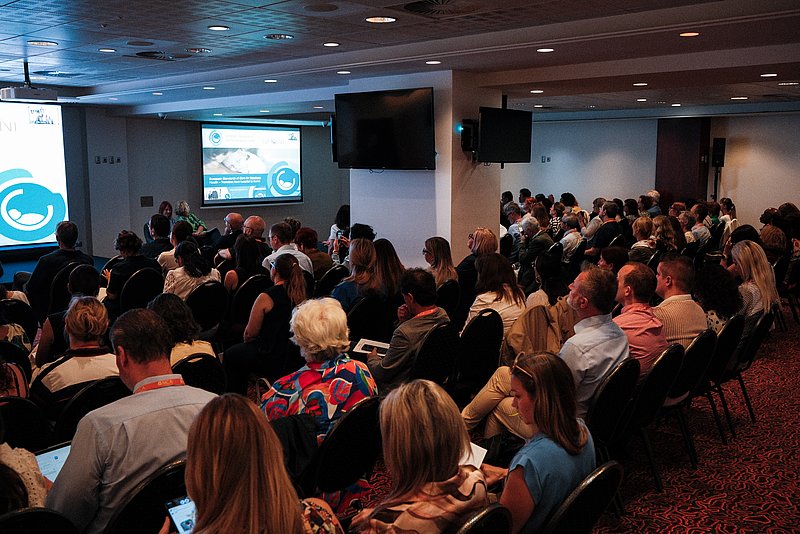
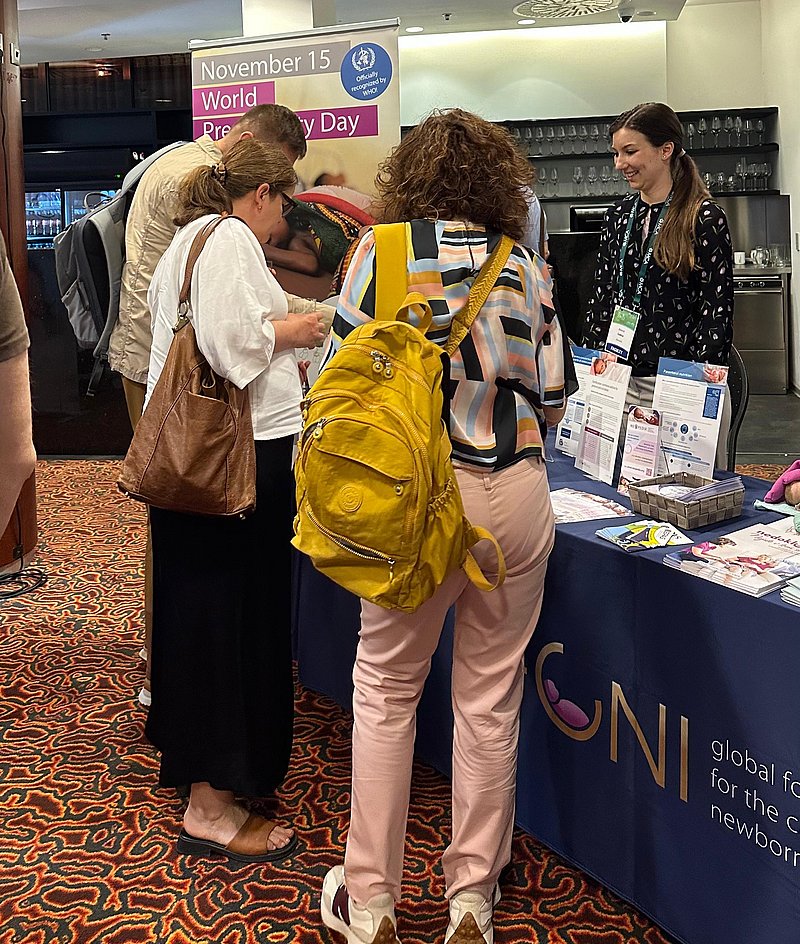
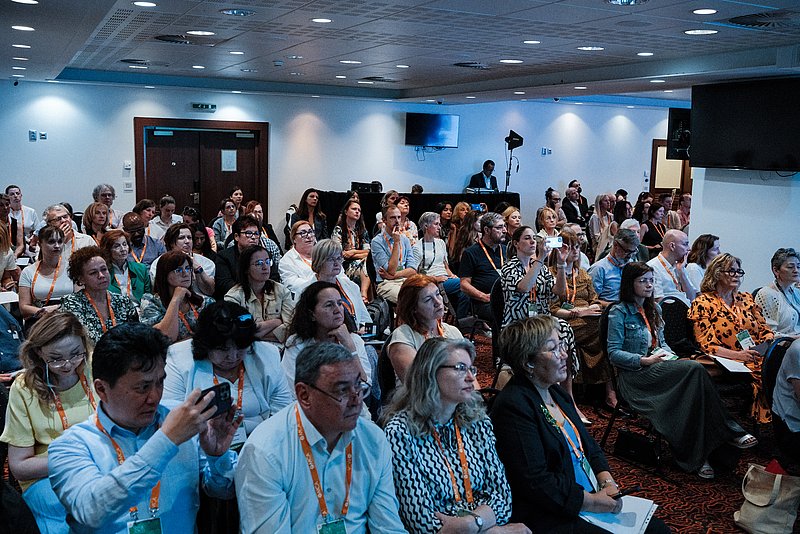
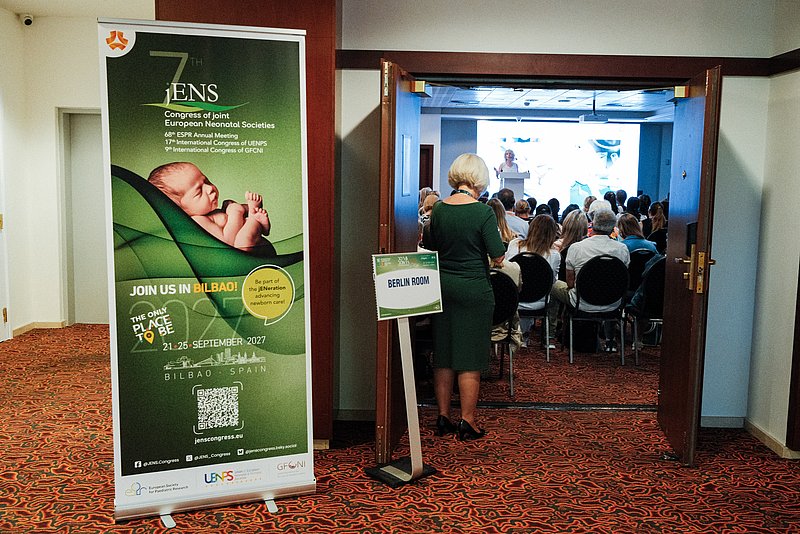
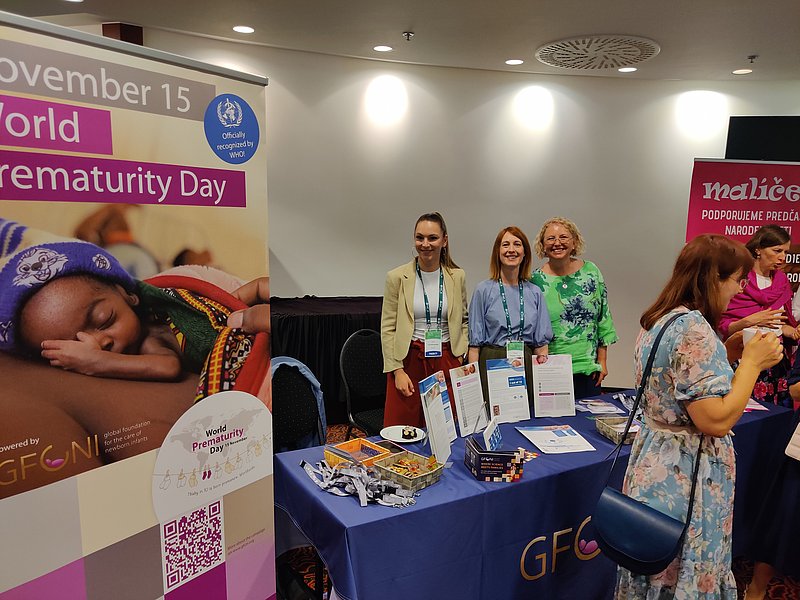
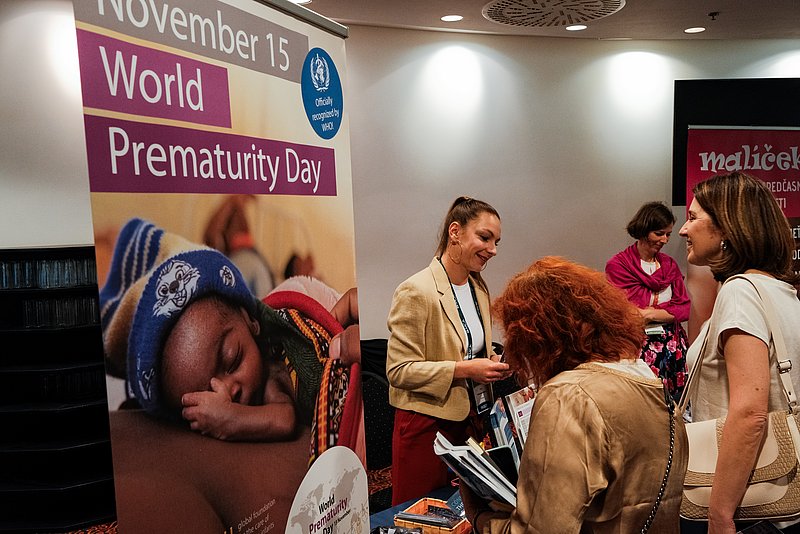
The dedicated GFCNI Day at the Do’s & Don’ts – Best Practice in Neonatology Congress brought together an engaged audience of neonatologists, healthcare professionals, researchers, and advocates to discuss what best care for small and sick newborns and their families should look like in practice. With more than 115 seats filled, and additional chairs needed outside the conference room due to the high level of interest, the day clearly demonstrated the relevance and urgency of family-integrated neonatal care.
This year’s GFCNI Day focused on Best Care in Neonatology, highlighting a broad range of topics across the neonatal care pathway. Presentations addressed improving outcomes for small and sick newborns, optimal nutrition pathways, family-integrated care, coping with loss in the NICU, and long-term outcomes after preterm birth. Together, the sessions offered practical, evidence-informed insights into how neonatal care can better support babies, families, and healthcare teams.
Held every other year - alternating with the joint European Neonatal Societies (jENS) - the congress reflects GFCNI’s commitment to fostering knowledge exchange, collaboration, and family-centred approaches in neonatal health.
The day once again showed the value of bringing different perspectives together, from clinical expertise and research to lived experience, to shape better care for newborns and their families.
The 2026 congress took place from 26–30 May in Bratislava, Slovakia. The GFCNI Day was held on Tuesday, 26 May, opening the program with a dedicated focus on Best Care in Neonatology. Throughout the day, participants gathered for a series of sessions designed to address both the practical and long-term aspects of caring for small and sick newborns, their families, and the healthcare professionals supporting them.
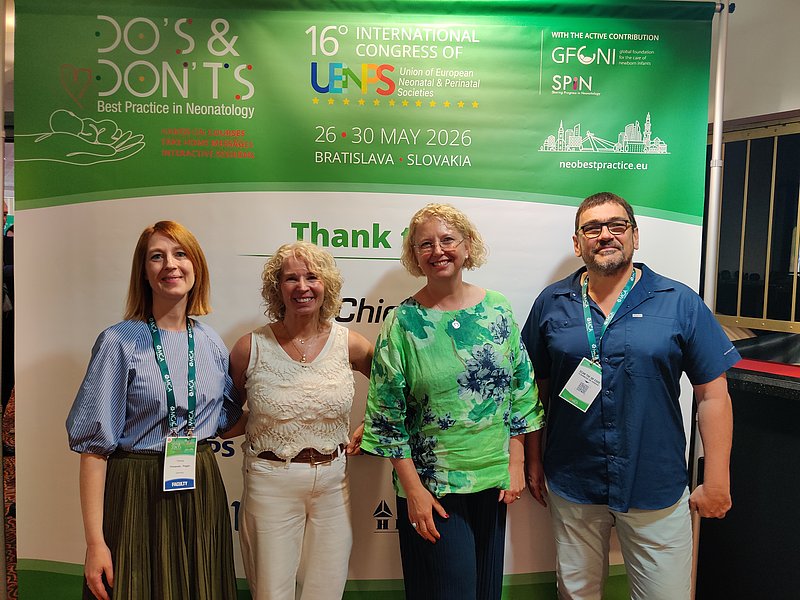
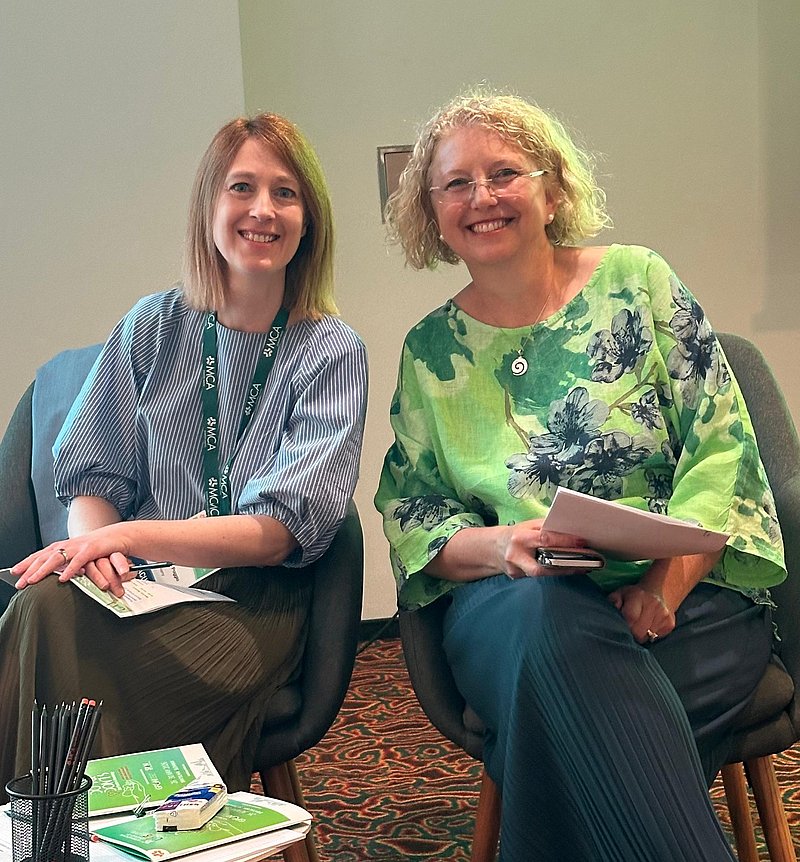
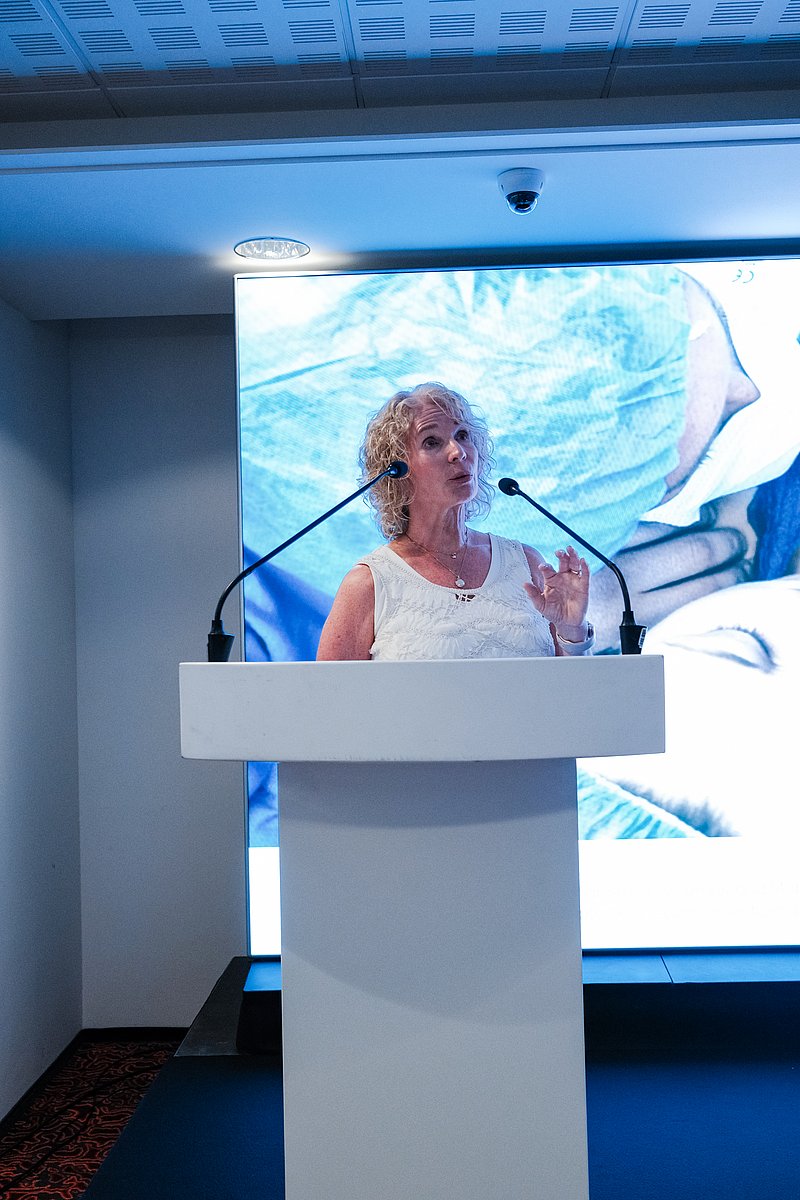
The program opened with a session on improving the care and outcomes of small and sick newborns, chaired by Silke Mader and Teresa Primavesi-Poggio from GFCNI. Presentations explored how optimal discharge management begins already in the delivery room, how stress in the NICU affects babies, families, and teams, and how pain during NICU stay can be reduced and prevented. Together, the session underlined that high-quality neonatal care starts early and requires attention to both clinical outcomes and the lived experience of families.
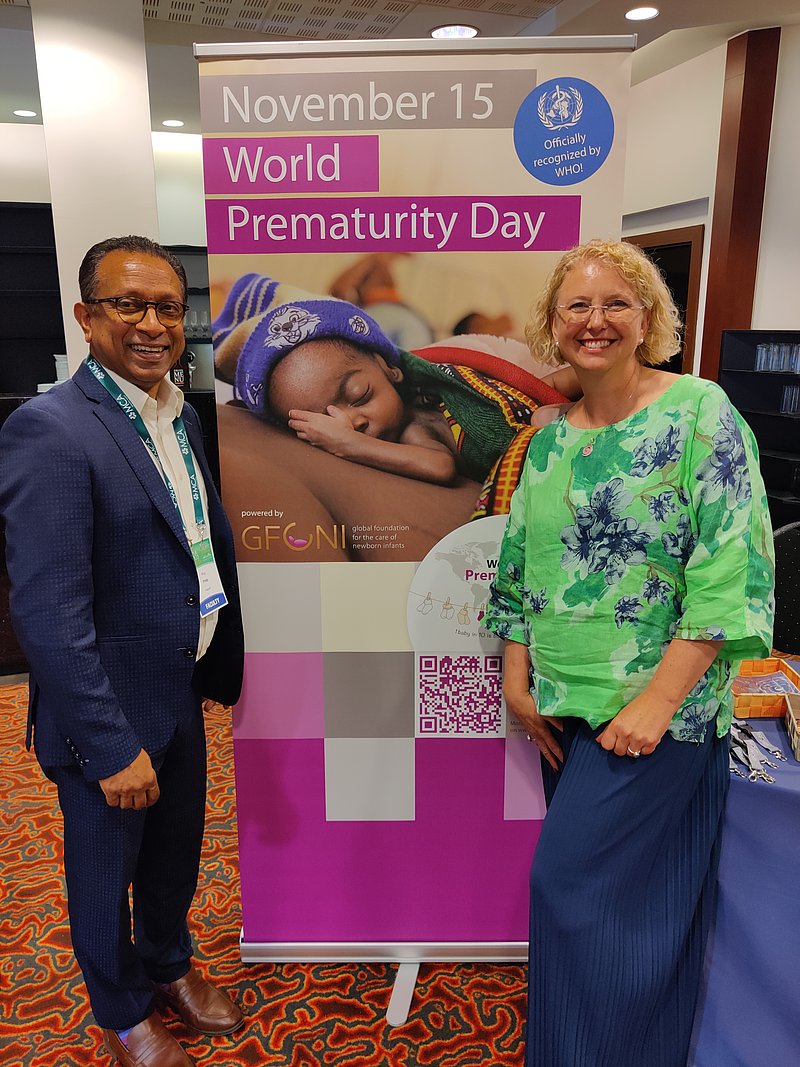
The second session focused on the optimal nutrition pathway for small and sick infants, with Professor Roy Philip presenting on the benefits of human-milk-based nutrition for preterm infants and sharing experience with an exclusive human milk diet. The session highlighted the importance of nutrition as a cornerstone of neonatal care, supporting growth, development, and long-term health in preterm and sick newborns.

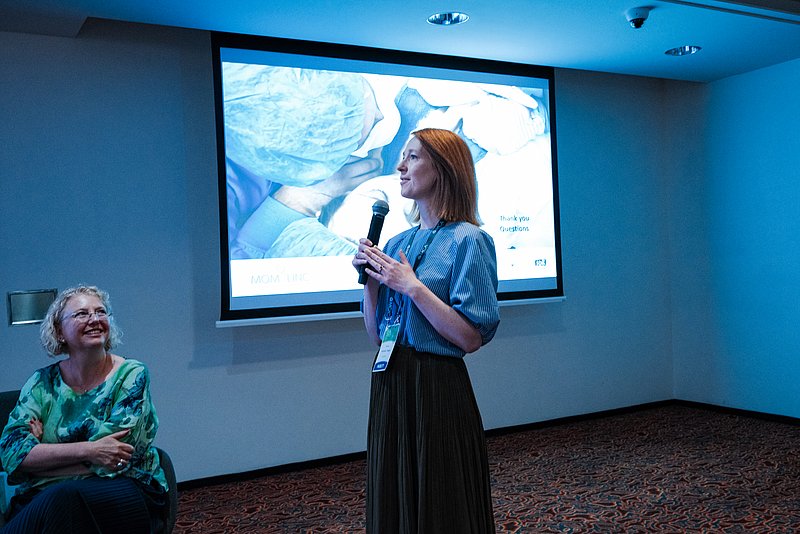
In the afternoon, the focus turned to overcoming challenges in the care of small and sick newborns and their families. Professor Pierre Kuhn and Professor Anna Axelin presented the benefits of actively involving parents as partners in NICU care, showing how family-integrated care can strengthen outcomes and support healthcare teams. Dr. Fauzia Paize then addressed the deeply important topic of coping with the loss of NICU patients and the need to care for the teams who carry this emotional burden. This session resonated strongly with the audience and emphasized that caring for families also means supporting the professionals who care for them.
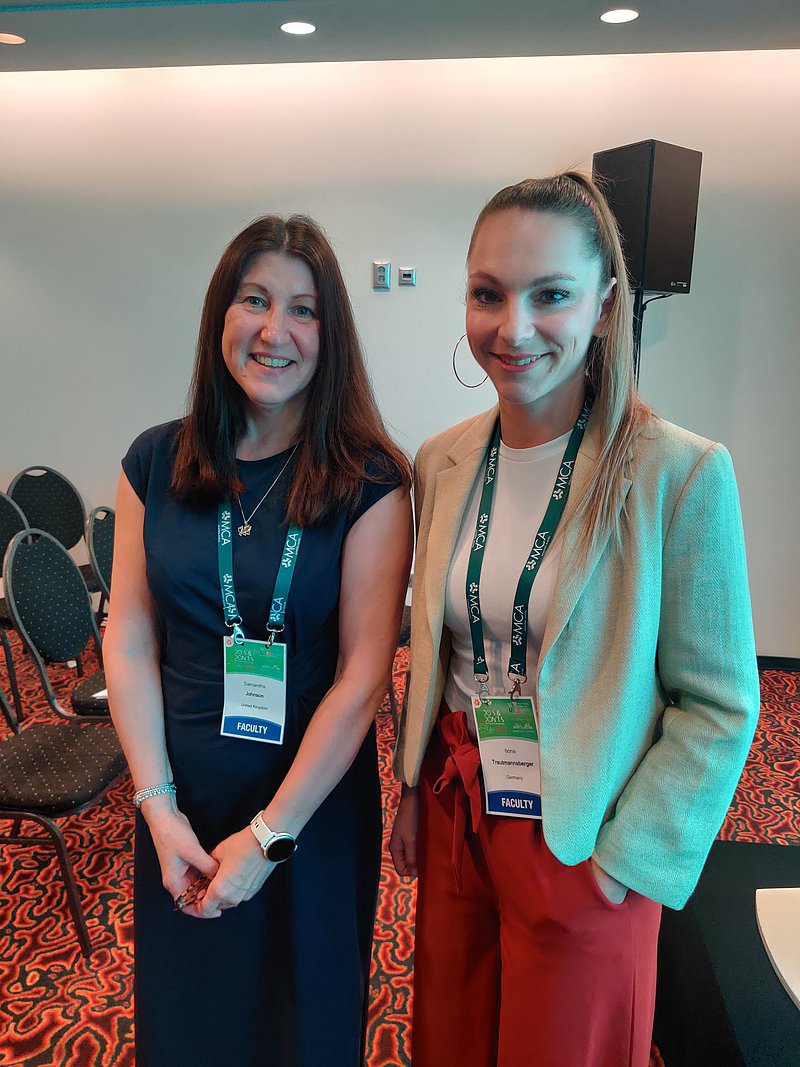
The day concluded with a powerful session on the long-term outcomes of preterm birth, bringing together research, clinical evidence, and lived experience. GFCNI colleague Ilona Trautmannsberger presented insights from the BronQ Family Study on the long-term impact of bronchopulmonary dysplasia (BPD) on families, highlighting that BPD affects far more than respiratory health alone. Professor Samantha Johnson discussed neurodevelopmental outcomes following extremely preterm birth and the importance of long-term support, while the preterm adult perspective offered a moving and heartwarming conclusion to the day, reminding participants why lived experience must be part of shaping better care.
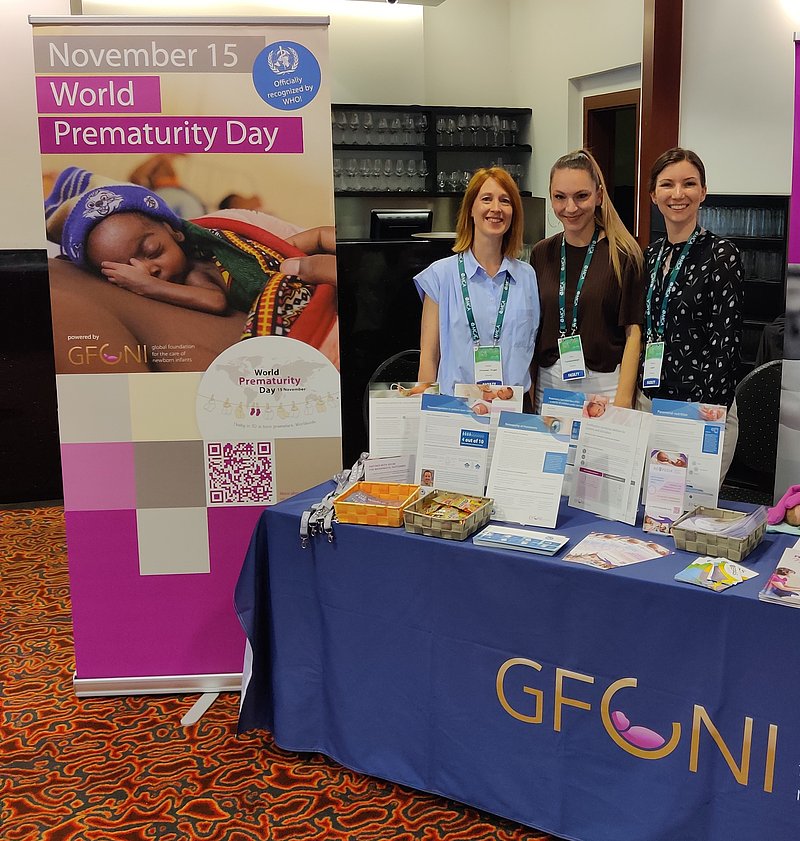
The strong audience engagement throughout the day reflected a shared commitment to improving neonatal care beyond survival alone. The discussions made clear that best practice in neonatology must include early planning, evidence-based nutrition, pain and stress reduction, family partnership, long-term follow-up, and support structures that respond to the real needs of children, families, and healthcare teams.
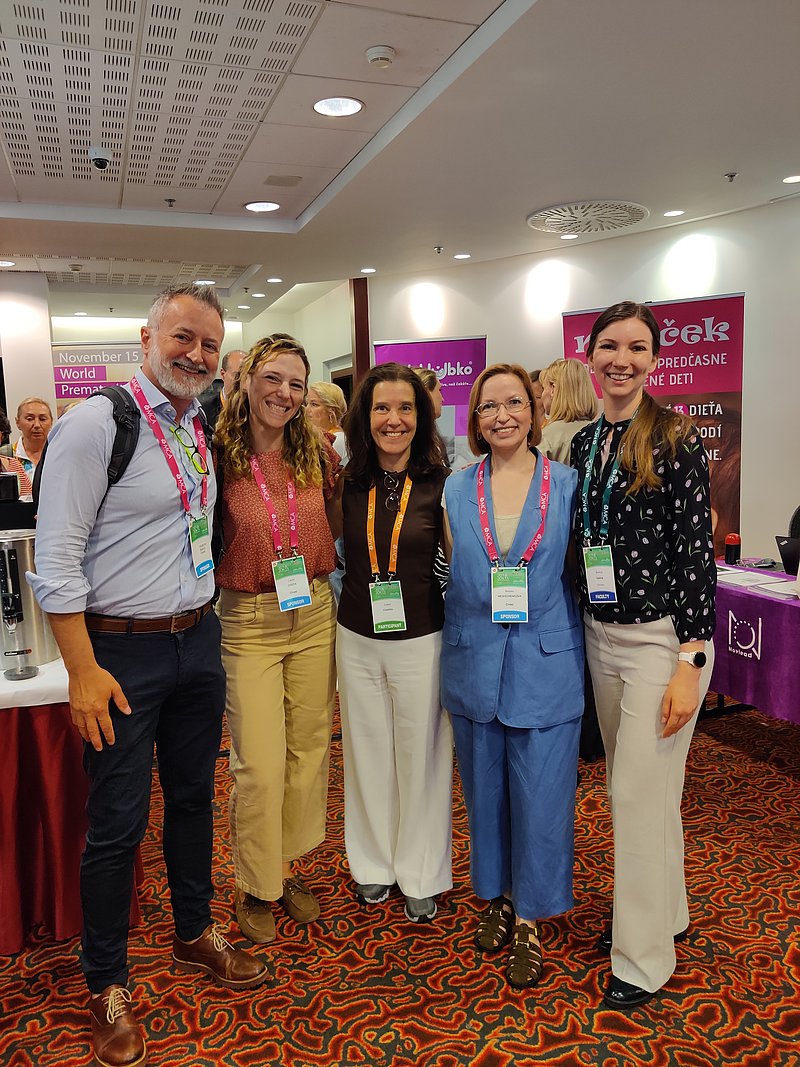
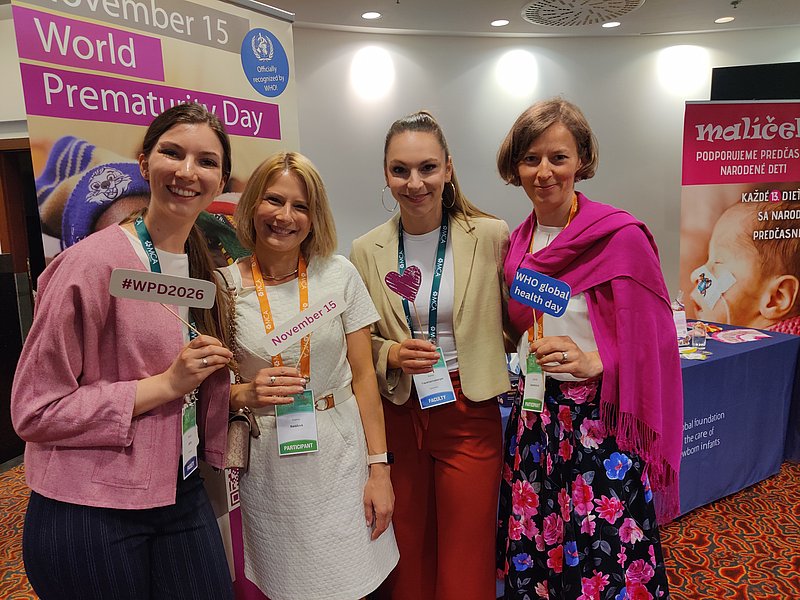
GFCNI warmly thanks all speakers, chairs, participants, and partners for contributing to such a meaningful and successful congress day. We also extend our sincere thanks to MCA Scientific Events and the congress partners for making this important exchange possible.
GFCNI is the first global organization and network to unite patients, families, healthcare professionals, medical staff, and scientists from different disciplines, fields, and countries – all with the joint goal of advancing the health and quality of care for newborns and their families across the globe.
GFCNI is a non-profit organization established under German public law. Tax Reference Number: 143/235/22619
© 2026 GFCNI. All Rights Reserved.