People Behind Newborn Health
Pregnancy Complications
Infant- and Family-Centered Developmental Care
Neonatal Eye Health
Hygiene
Rare Diseases

Post-discharge follow-up plays a critical role in supporting high-risk infants. Early discharge often requires enhanced support systems, such as home visitation programs, which have shown positive effects on post-discharge outcomes [1]. Regular communication with primary care providers remains essential for monitoring an infant’s health and development, including ongoing needs for specialist care [2]. Many Neonatal Intensive Care Units (NICUs) collaborate with community resources to ensure families receive additional support, including social work services and peer-to-peer mentoring programs [1, 2].

Post-NICU follow-up care ensures ongoing health monitoring and developmental support for infants transitioning home. This phase is crucial for detecting developmental concerns early and addressing potential long-term effects of a NICU stay. Providing families with appropriate resources and medical guidance during this vulnerable time improves outcomes [3].
Follow-up care includes regular pediatric appointments that allow healthcare providers to track growth and development closely. These visits offer opportunities to address concerns, assess overall health, and ensure adherence to medical care plans [4]. Pediatricians play a key role in guiding parents through this process, and open communication is vital for discussing observations, concerns, and questions about the baby’s health [4]. Many hospitals now offer specialized follow-up programs for NICU graduates, focusing on early intervention strategies to address potential developmental or health concerns. These programs foster collaboration among healthcare providers, ensuring a well-rounded care approach [5].

After NICU discharge, families often work with a multidisciplinary care team that understands the complex needs of high-risk infants. This team typically includes a neonatologist, pediatric nurse (practitioner), occupational therapist, physical therapist, dietitian, lactation consultant, and social worker. They collaborate with the child’s primary pediatrician to ensure comprehensive care [6]. Continuity of care remains a priority, as familiar NICU staff members often remain involved, easing the transition and ensuring a thorough understanding of the infant’s medical history.
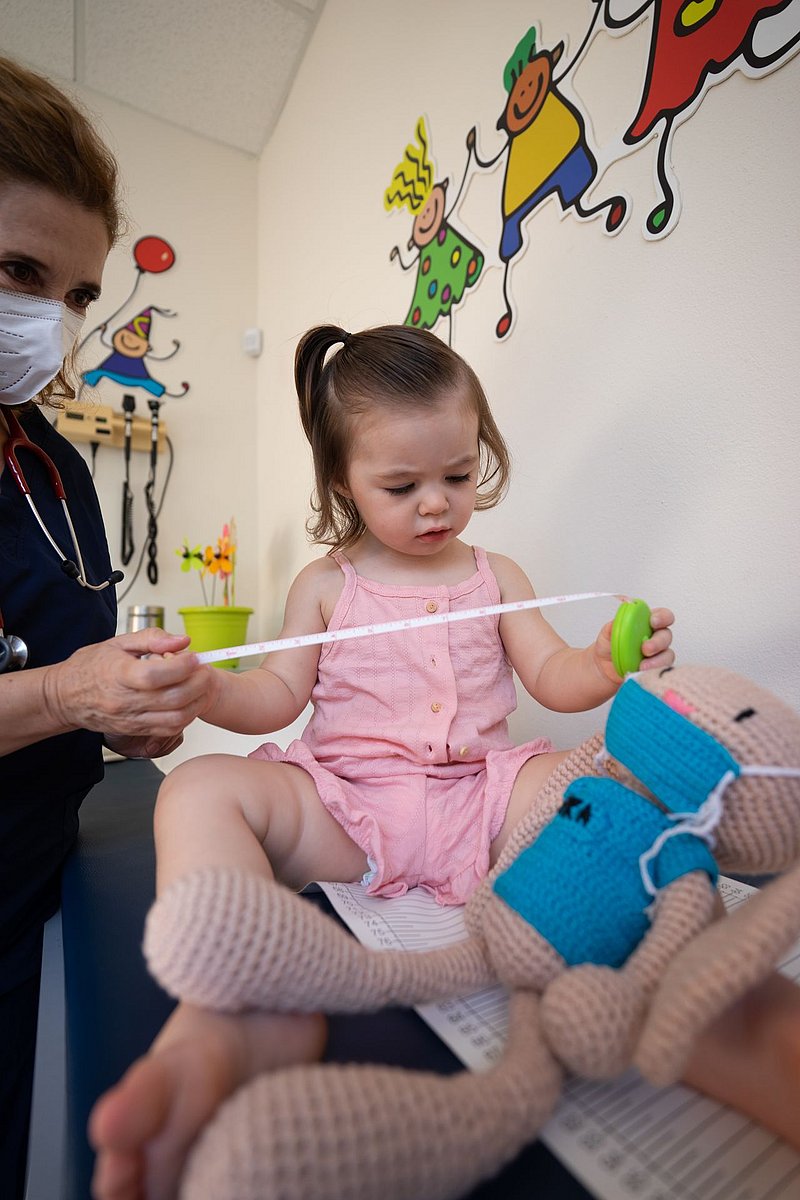
Regular pediatric follow-up appointments play a crucial role in monitoring NICU graduates’ growth and development. Parents should prepare for these visits by listing questions and observations to make the most of their time with healthcare providers. These appointments provide opportunities to address ongoing medical concerns, track developmental milestones, and adjust care plans as needed [7].

Support systems help families navigate the emotional and practical challenges of NICU discharge. Many parents seek connections with others who have had similar experiences, finding comfort and encouragement in shared stories. Research shows that peer and family support significantly improves emotional well-being, especially for families managing complex medical needs [8].

Mobile health technology offers an innovative solution to enhance follow-up care. Parents can use mobile applications to track their infant’s health, monitor feeding patterns, and recognize signs of distress or illness. These tools empower parents to take an active role in their child’s care and enable timely communication with healthcare providers. Many platforms also provide on-demand resources, bridging the gap between scheduled medical visits and offering ongoing support tailored to NICU graduates’ needs [7].
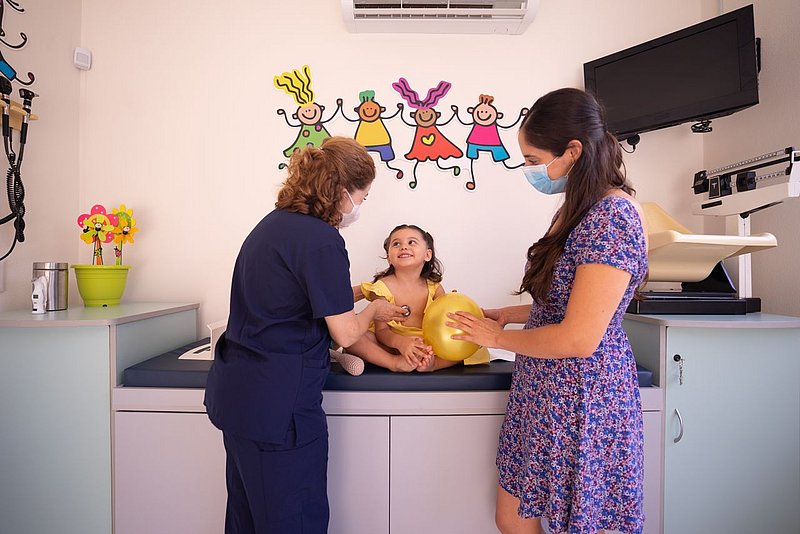
Providing families with reliable information is a critical aspect of follow-up care. Parents often seek trusted resources to help them manage their child’s health challenges. Interventions that enhance health literacy, offer peer support, and facilitate easy communication with healthcare teams improve families’ ability to manage ongoing care. Many parents also recommend implementing respite care and nursing support services to help ease the transition home [8].

A holistic approach to follow-up care addresses the emotional, physical, and social needs of families. Chronic stress associated with caring for a medically complex child can contribute to anxiety and depression. Ensuring access to social support, counseling, and community resources helps mitigate these challenges and fosters resilience among families as they adapt to life after the NICU [9].
[1] Daily, D.K., Carter, A., Carter, B.S. (2015, June 03). Discharge Planning and Follow-Up of the Neonatal Intensive Care Unit Infant. iKnowledge. https://clinicalgate.com/discharge-planning-and-follow-up-of-the-neonatal-intensive-care-unit-infant/
[2] Smith, V.C. (2019). From the National Perinatal Association: NICU Discharge Preparation and Transition Planning. Neonatology Today 14,51-53.
https://neonatologytoday.org/archives/2019/06/927/
[3] Cordon, M. (2024, February 14). Nurturing your little fighter: A guide to post-NICU care for your baby’s development and wellbeing. Naya Care. https://nayacare.org/blog/nurturing-your-little-fighter-a-guide-to-post-nicu-care-for-your-babys-development-and-wellbeing/
[4] Hebballi, N.B., Kerl, C.G., Garcia, E.I., Ottosen, M.J., Kelly, K.C., Bartz-Kurycki, M.A., Tang, B., Hillman, E.A., Aneji, C.U., Tsao, K., Austin, M.T. (2021). Barriers to Transition to Home From the Neonatal Intensive Care Unit: A Qualitative Perspectives of Parents and Healthcare Providers. J Perinat Neonatal Nurs. 01;35(4):340-349. https://doi.org/10.1097/JPN.0000000000000570
[5] Hickson, A. (n.d.) Monitoring your baby’s health: a post-NICU guide. NICU Alumni. Retrieved March 04, 2025. From https://www.nicualumni.org/resources/monitoring-your-babys-health-a-post-nicu-guide
[6] Klein, C.C., & McDonald, N.M. (2024). Parenting Stress Following a Neonatal Intensive Care Unit Hospitalization: A Longitudinal Study of Mothers and Fathers. International Journal of Environmental Research and Public Health, 21(8), 970. https://doi.org/10.3390/ijerph21080970
[7] NEOwell. (n.d.). How NEOwell Supports You After NICU Discharge When Pediatricians Have Limited Time. Retrieved March 05., 2025. From https://www.neowellpartners.com/blog/nicu-discharge-support
[8] Miller Children’s & Women’s Hospital. (n.d.). Neonatal Continuing Care Program. Retrieved March 05., 2025. From https://www.millerchildrens.memorialcare.org/specialties/neonatal-intensive-care-unit-nicu/neonatal-continuing-care-program
[9] Hickson, A. (n.d.). Your child’s developmental milestones: What to expect and how to cheer them on. NICU Alumni. Retrieved March 05, 2025. From https://www.nicualumni.org/resources/your-childs-developmental-milestones-what-to-expect-and-how-to-cheer-them-on
Want to explore these topics in greater detail? Neopedia is GFCNI’s online information platform designed specifically for parents and families. It offers accessible, in-depth information on maternal and newborn health, providing practical knowledge and guidance to help families navigate different stages and challenges.
GFCNI is the first global organization and network to unite patients, families, healthcare professionals, medical staff, and scientists from different disciplines, fields, and countries – all with the joint goal of advancing the health and quality of care for newborns and their families across the globe.
GFCNI is a non-profit organization established under German public law. Tax Reference Number: 143/235/22619
© 2026 GFCNI. All Rights Reserved.