Pregnancy Complications
Infant- and Family-Centered Developmental Care
Respiratory Infections
Neonatal Eye Health
Hygiene
Rare Diseases

Since 2008, the Parent and Patient Organizations Summit (POS) has been a cornerstone of GFCNI’s commitment to supporting and connecting patient and parent advocates worldwide. What began as a meeting of 25 parent representatives from 14 organizations in Rome has evolved into an annual global event, now hosted in Freising, Germany. The Summit brings together more than 70 representatives from over 45 organizations and 30 countries, offering a vibrant weekend of presentations, discussions, workshops, and networking.
The Summit is a platform for sharing knowledge and skills, empowering patient and parent representatives to drive progress in maternal and newborn health within their local communities. It also strengthens the global network of advocates working toward shared goals.
Since 2014, the annual EFCNI Awards – renamed the GFCNI Awards in 2025 – have been a valued tradition at the Parent and Patient Organizations Summit. Each year, three parent or patient organizations are honored for their exceptional dedication, innovative work, and measurable contributions to improving maternal and newborn health. The awards celebrate excellence across the global GFCNI community and spotlight initiatives that inspire progress at local, national, and international levels. The award ceremony has become a cherished highlight of the Summit, reflecting the spirit of collaboration, advocacy, and impact that defines the GFCNI network.
The winners of the 2026 GFCNI Awards are:
The winners of the first GFCNI Awards are:
The winners of the 2024 EFCNI Awards are:
The winners of the 2023 EFCNI Awards are:
The winners of the 2022 EFCNI Awards are:
In 2021, the Parent Organisations Summit (as it was then called) did not take place due to the global COVID-19 pandemic. As a result, no EFCNI Awards were presented that year.
The winners of the 2020 EFCNI Awards are:
The winners of the 2019 EFCNI Awards are:
The winners of the 2018 EFCNI Awards are:
The winners of the 2017 EFCNI Awards are:
The winners of the 2016 EFCNI Awards are:
The winners of the 2015 EFCNI Awards are:
The winners of the very first 2014 EFCNI Awards are:
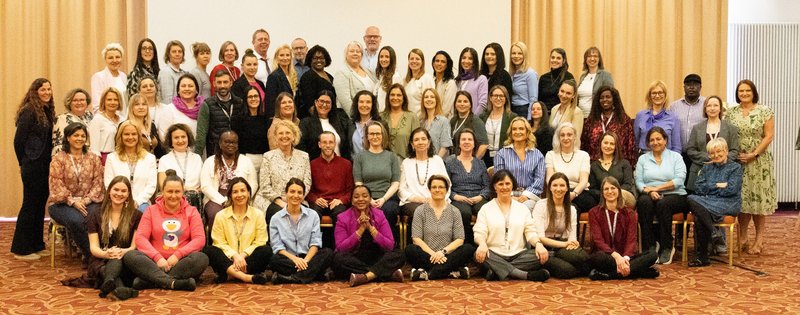
The Parent and Patient Organizations Summit (POS) 2026 brought together 70 participants from 36 parent and patient organizations across 32 countries for a powerful and inspiring weekend in Freising, Germany. From March 20 to 22, advocates from around the world gathered to exchange knowledge, strengthen skills, and advance their shared mission to improve maternal and newborn health.
Through engaging presentations, interactive workshops, and meaningful discussions, participants connected across borders and perspectives. Together, they explored innovative approaches and reinforced a collective commitment to advocacy, empowerment, and high-quality, family-centered care for babies born too soon, too small, or too sick.
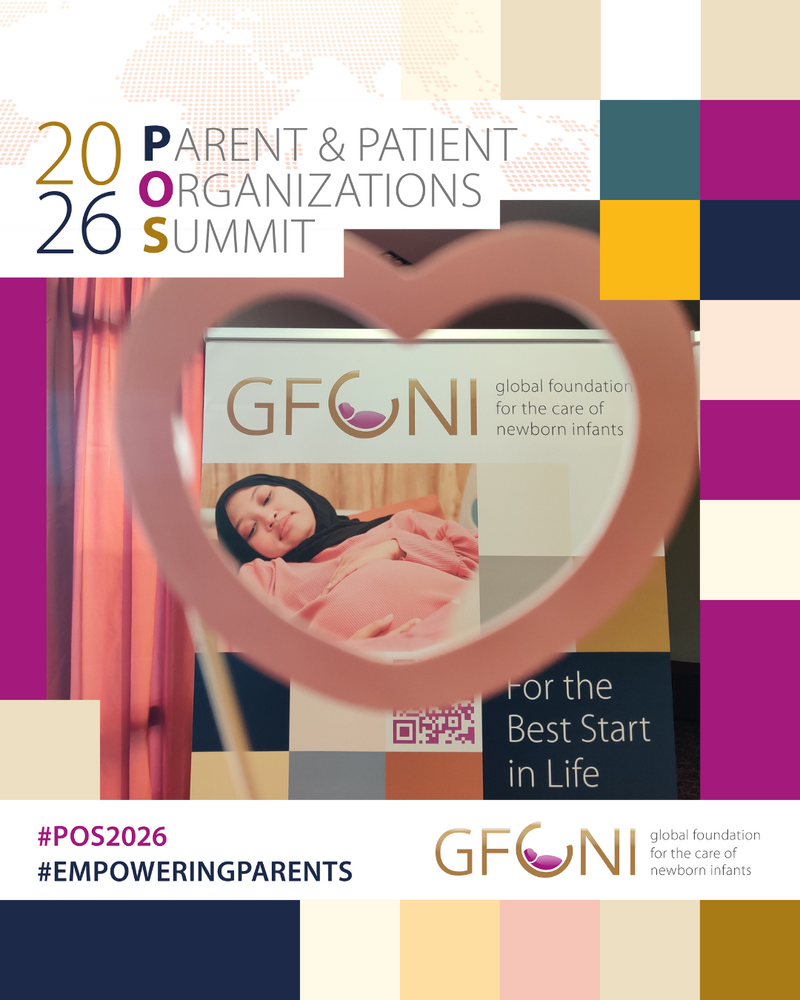
The first day of the GFCNI Parent and Patient Organizations Summit (POS) 2026 set an inspiring tone, bringing together a global community of parent and patient advocates committed to improving maternal and newborn health.
The program opened with two impactful presentations that placed families at the center of care and research. Professor Jennifer Zeitlin (Inserm, France) highlighted the importance of integrating parent-valued outcomes into research – ensuring that scientific evidence reflects what truly matters to families of preterm and sick newborns. Her insights reinforced the need to align research priorities with real-life experiences.
This was followed by a powerful session from Dr. Ilknur Okay (El Bebek Gül Bebek, Türkiye) who addressed the complex realities of grief and shifting parental roles. Her presentation shed light on the emotional journeys families face and emphasized the importance of compassionate, family-centered support systems throughout the neonatal care pathway.
In the Parent Projects session, participants explored how advocacy translates into real-world impact across different regions. Isabelle Furaha (Mama Tulia Ministries, Uganda) presented the Post-Hospital Care Program in Uganda, a holistic initiative designed to improve survival and long-term quality of life after discharge for preterm babies and their families. Her work highlighted the critical importance of continuity of care beyond the hospital setting.
Sylvia Obermann (Care4Neo, The Netherlands) then shared the collaborative journey toward NeoConnect 2026, illustrating how partnerships between parent organizations, researchers, and healthcare professionals can transform research into meaningful, practice-oriented solutions.
Overall, Day 1 was defined by collaboration, shared learning, and a strong sense of purpose – laying the foundation for the days ahead and reinforcing the power of a connected global advocacy community.
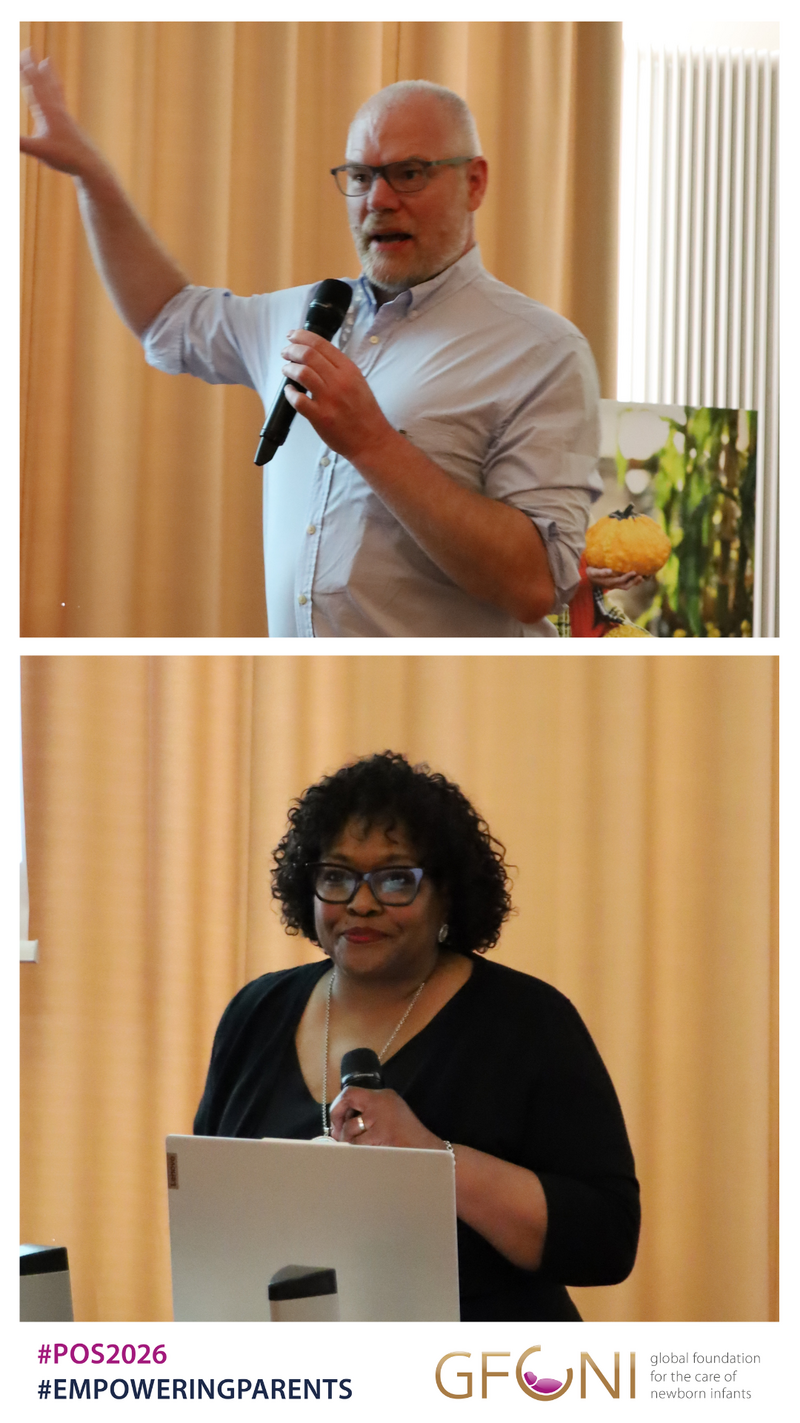
Day 2 of the GFCNI Parent and Patient Organizations Summit (POS) 2026 offered a rich and engaging program, highlighting the importance of collaboration across the neonatal care ecosystem and the need for trauma-informed, family-centered approaches.
The day’s presentations focused on the often-overlooked role of trauma in the neonatal journey – affecting not only preterm and sick newborns, but also their parents and the healthcare professionals who care for them. Speakers explored how early medical experiences can shape long-term outcomes, including challenges such as feeding tube dependency, as well as the lasting emotional impact of the NICU experience on families and care teams.
Dr. Markus Wilken (Feeding Tube Dependency Institute, Germany) provided valuable insights into pediatric medical traumatic stress and approaches to overcoming feeding-related challenges. His session emphasized the importance of recognizing trauma early and addressing it through targeted, interdisciplinary support.
Gigi Khonyongwa-Fernandez (Families Blossoming, USA/UK) highlighted the power of healing together by fostering stronger connections between parents and healthcare professionals. Her presentation underscored the importance of trauma-informed care throughout the neonatal journey and beyond, promoting more compassionate and effective support systems.
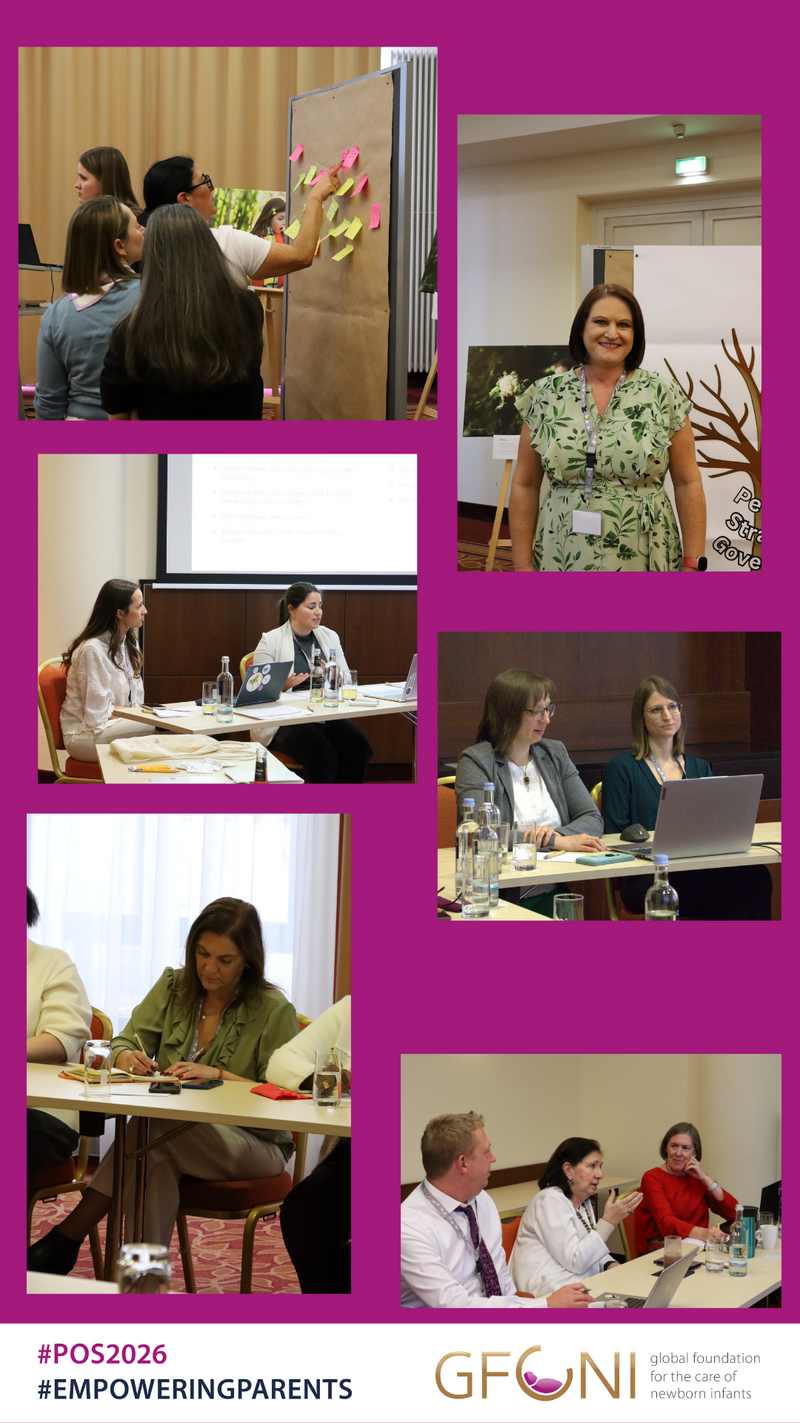
In the afternoon, participants engaged in a series of interactive workshops designed to equip parent and patient organizations with practical tools to strengthen their impact and sustainability.
Sessions covered key areas such as organizational development and growth, with a focus on building effective team structures and long-term strategies; the establishment and development of peer support services in the NICU; and the responsible use of artificial intelligence (AI) in advocacy, including tools like ChatGPT. Another workshop explored how to bridge gaps between science and policy, encouraging collaboration beyond traditional roles to drive meaningful change.
Across all sessions, a clear message emerged: advancing maternal and newborn health requires strong, sustained partnerships between parent organizations, healthcare professionals, researchers, and policymakers.
Day 2 reinforced the Summit’s core purpose – turning knowledge into action and strengthening a global community dedicated to improving outcomes for babies and their families.
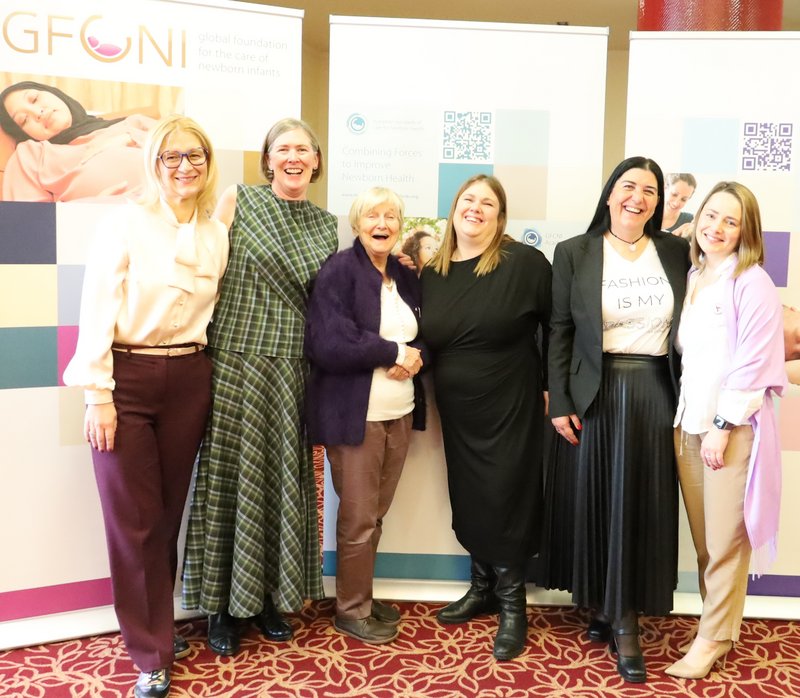
The final day of the GFCNI Parent and Patient Organizations Summit (POS) 2026 highlighted one of the most powerful aspects of the global advocacy community: peer-to-peer learning and collaboration.
During the Peer-to-Peer Learning Experiences session, parent organizations from around the world shared impactful initiatives, demonstrating how lived experience, advocacy, and innovation can drive meaningful improvements in maternal and newborn health.
The Coalition for Preemies Foundation (Poland) presented its extensive work on RSV prevention, reaching more than 30,000 preterm infants to date. Through strong political advocacy, including national campaigns, policy engagement, and the establishment of the Coalition for the Prevention of RSV Infections, the organization has helped expand access to preventive measures. Notably, reimbursement for RSV vaccination during pregnancy has been introduced, with uptake already reaching significant levels. Their next goal is to ensure protection for all children under two years of age.
Som Prematurs (Spain) introduced the AEFNUN project, a collaborative research initiative with leading universities to evaluate the impact of structured peer support programs in neonatal intensive care units (NICUs). Implemented across 15 hospitals, the project assesses outcomes such as parental stress, mental health, and quality of life, as well as healthcare professional feedback. By combining rigorous research with lived experience, the program offers a scalable model for family-centered neonatal support.
From Ukraine, Early Birds NGO shared a unique and deeply moving initiative using photography as a therapeutic, trauma-informed approach in NICUs. In a context shaped by war and ongoing disruptions to healthcare services, the project creates meaningful moments for families by documenting early parent–baby connections. These images serve as powerful tools for memory, identity, and healing, particularly in situations of loss, offering families a tangible recognition of their child’s life and their role as parents.
Finally, The Little Miracles Trust (New Zealand) presented the Carosika Collaborative, a national, community-driven initiative addressing inequities in preterm birth outcomes. By bringing together families, healthcare professionals, and advocates, the initiative focuses on improving care for underserved populations, particularly indigenous communities, and tackling systemic disparities in access to neonatal services.
These diverse projects underscored a shared commitment to improving outcomes for preterm and sick newborns and their families worldwide. At the same time, they highlighted the importance of collaboration across sectors, cultures, and lived experiences.
As POS 2026 came to a close, one message stood out clearly: meaningful change happens when we learn from one another, share our experiences, and work together to build stronger, more equitable systems of care.
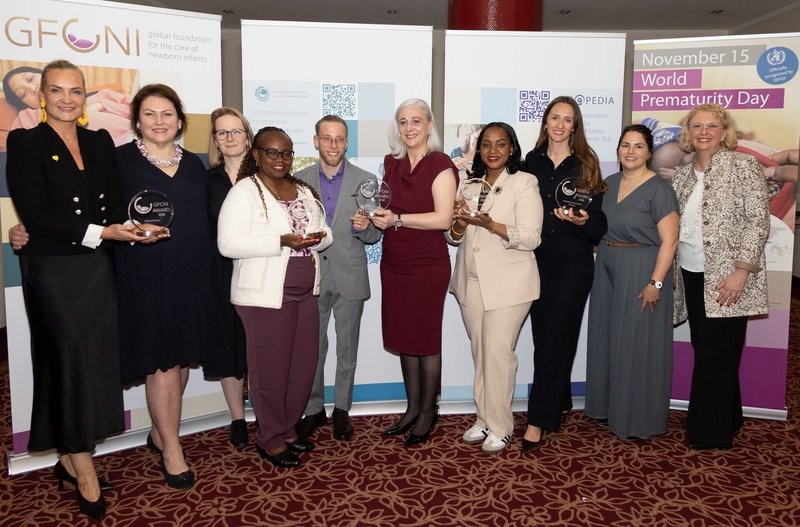
A highlight of the GFCNI Parent and Patient Organizations Summit (POS) 2026 was the Awards Ceremony, celebrating the remarkable achievements of parent and patient advocates who are driving progress in maternal and newborn health around the world.
Each year, the GFCNI Awards recognize individuals and organizations whose dedication, leadership, and innovation are making a lasting difference for preterm and sick newborns and their families. In 2026, five outstanding winners were honored for their impactful work across diverse regions and areas of advocacy.
ARNIS (Romania) was recognized for successfully elevating newborn care to the national policy agenda, driving critical dialogue on parental access to neonatal intensive care units (NICUs), the implementation of Kangaroo Mother Care, and the importance of long-term follow-up care.
NEIŠNEŠIOTUKAS (Lithuania) was honored for bringing newborn health to the highest political level, including organizing the landmark Growing Europe First Ladies’ Meeting, which addressed key challenges related to demographics and healthcare systems across Europe.
Frühchen & Neokinder Schweiz (Switzerland) received recognition for building a strong and sustainable support network for families of preterm babies, while also establishing a powerful national voice for parent advocacy.
Mama Tulia Ministries (Uganda) was awarded for its groundbreaking efforts to improve access to screening and treatment for Retinopathy of Prematurity (ROP), helping to protect the vision of vulnerable newborns and strengthen neonatal care services.
Finally, the Doris Mollel Foundation (Tanzania) was recognized for its extraordinary advocacy, which contributed to achieving global recognition of World Prematurity Day through the World Health Assembly – a major milestone for the global newborn health community.
Together, these awardees represent the strength and impact of a growing global movement. Their work highlights how advocacy, collaboration, and lived experience can drive meaningful change – improving outcomes and giving every baby the best possible start in life.
GFCNI is the first global organization and network to unite patients, families, healthcare professionals,
medical staff, and scientists from different disciplines, fields,
and countries – all with the joint goal of advancing the health and quality of care for newborns and their families across the globe.
GFCNI is a non-profit organization established under German public law. Tax Reference Number: 143/235/22619
© 2026 GFCNI. All Rights Reserved.