Pregnancy Complications
Infant- and Family-Centered Developmental Care
Respiratory Infections
Neonatal Eye Health
Hygiene
Rare Diseases
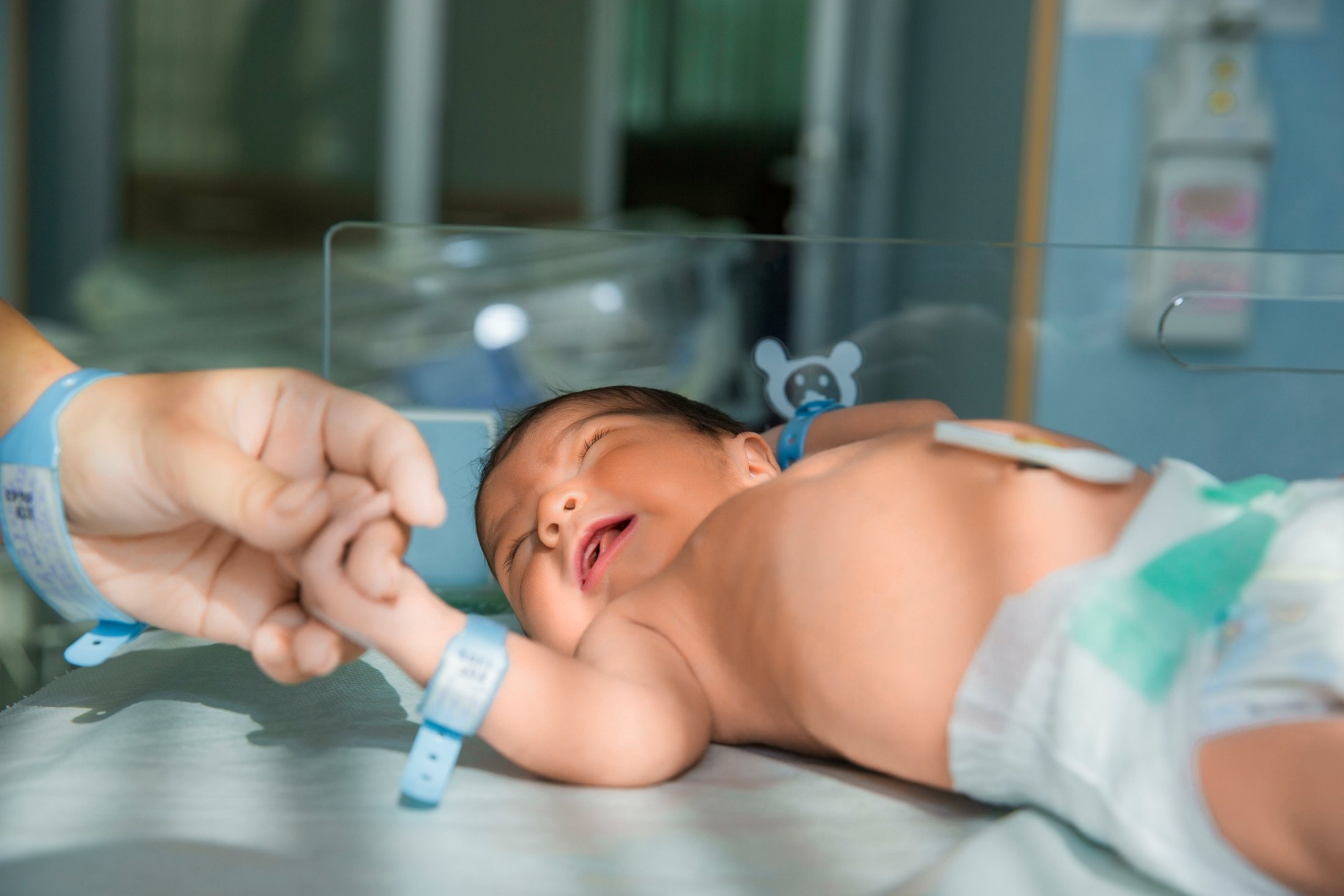
When a newborn needs care in a neonatal unit, families often face emotional and practical challenges. Family-centered care aims to support both infants and families by involving parents as partners in care. It is very important to explore how family-centered care can be implemented and what parents need to feel included in the care of their newborn infant. However, studies do not always measure the same outcomes, which makes it hard to compare results and improve practice. In this qualitative study published in January 2026 in MDPIs international, peer reviewed journal called Children, an international research team explored which outcomes truly matter to families and professionals. Focus groups included parents, one former neonatal patient, and healthcare professionals from several countries. The findings are especially relevant for parents of preterm infants and neonatal nurses. In this study, five main areas of outcomes have been identified, showing that family-centered care affects emotional wellbeing, roles, care delivery, infant health, and hospital resources.
The experience of having a newborn in a neonatal unit can be overwhelming. Parents often feel stress, fear, and uncertainty while learning to care for their child. Family-centered care in preterm infant care is designed to reduce these challenges by welcoming parents as active partners. It focuses not only on medical treatment, but also on emotional support, communication, and shared decision making.
This study used group discussions to gather views from parents, a former neonatal patient, and healthcare professionals. Participants talked about their real experiences of family-centered care in neonatal settings. The researchers then identified outcomes that participants felt were most important to evaluate.
Participants described five main outcome areas linked to family-centered care. Emotional wellbeing was central, including stress, anxiety, fear, and feelings of confidence among parents, infants, and healthcare professionals. Role functioning was also important, with parents emphasizing being involved in daily care and feeling like primary caregivers. Delivery of care outcomes focused on staff attitudes, communication, shared decision making, and education. Physiological health outcomes related to infant physical health and development. Hospital environment and resource use included issues such as length of stay and readmissions. Together, these findings show that family-centered care reaches far beyond medical outcomes alone.
Under these areas, participants identified 42 specific outcomes. These included bonding, parental confidence, staff stress, parental trust, and infant comfort. Parents and professionals highlighted that supportive communication and respectful partnerships helped parents feel more prepared and empowered. They also noted that hospital space, visiting policies, and staff training could influence how well family-centered care is delivered.
For parents of preterm infants, the findings highlight that emotional support, involvement in care, and clear communication are key parts of quality family-centered care. For neonatal nurses and other professionals, the study shows the importance of attitudes, teamwork, and education in shaping positive experiences. The results can guide future research and help neonatal units choose outcomes that truly reflect what families and staff value. Using shared outcomes may also improve how family-centered care programs are evaluated and strengthened.
Understanding what matters most is a first step toward improving family-centered care. Parents are encouraged to talk with their neonatal team about how they can be involved. Health professionals can share these insights with colleagues and support ongoing discussions about quality of care.
Paper available at: Exploring Patient, Parent and Clinician Views of Outcomes for Family-Centered Care in Neonatal Settings: A Qualitative Study
Full list of authors: Kocakabak, C.; van den Hoogen, A.; Latour, J. M.; on behalf of the COUSIN Study Group
DOI: 10.3390/children13010156
GFCNI is the first global organization and network to unite patients, families, healthcare professionals,
medical staff, and scientists from different disciplines, fields,
and countries – all with the joint goal of advancing the health and quality of care for newborns and their families across the globe.
GFCNI is a non-profit organization established under German public law. Tax Reference Number: 143/235/22619
© 2026 GFCNI. All Rights Reserved.