Pregnancy Complications
Infant- and Family-Centered Developmental Care
Respiratory Infections
Neonatal Eye Health
Hygiene
Rare Diseases
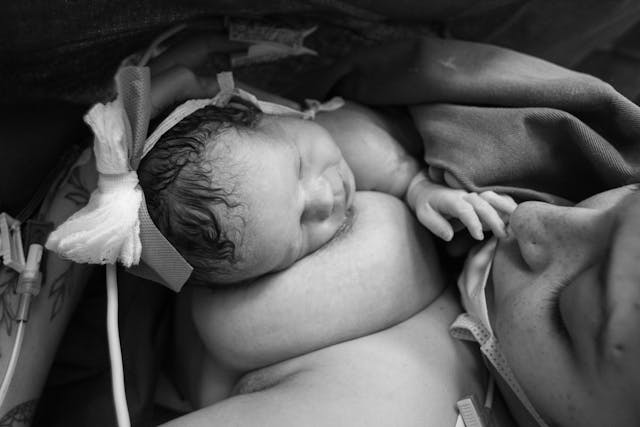
Breastfeeding is essential for newborn health, yet preterm and low birth weight infants often face challenges in establishing successful feeding. Kangaroo Mother Care (KMC), a method involving prolonged skin-to-skin contact between the caregiver and the infant, has been shown to improve breastfeeding rates and overall growth outcomes. A recent observational study conducted at Gauhati Medical College and Hospital in India examined the impact of KMC on low birth weight infants in the neonatal intensive care unit (NICU). The study, which included 241 newborns, found that infants receiving KMC had higher exclusive breastfeeding rates, improved growth parameters, and shorter hospital stays compared to those receiving conventional care. These findings highlight the benefits of KMC as a low-cost, effective method for supporting low birth weight infants.
Breastfeeding provides essential nutrients, strengthens the immune system, and enhances bonding between mother and infant. However, many preterm and low birth weight infants experience difficulties initiating and maintaining breastfeeding due to medical complications, separation from their caregivers, and the need for intensive care. These challenges often result in lower breastfeeding rates and slower growth, leading to prolonged hospital stays and increased health risks.
A recent study conducted in a tertiary care hospital in India examined the effectiveness of KMC in supporting breastfeeding and improving neonatal growth. KMC encompasses skin-to-skin care (SSC), nutrition, and discharge guidelines. The observational study included 241 preterm infants with a gestational age of less than 34 weeks and birth weight under 2000 g, who were hemodynamically stable. It compared those receiving KMC (minimum 1 hour up to 16–18 hours daily) with those receiving conventional neonatal care. Researchers assessed various growth parameters, breastfeeding rates, and health outcomes over the course of hospitalization until two weeks after discharge.
Kangaroo Mother Care Significantly Enhances Breastfeeding and Growth
While at birth, all newborns had the same health parameters, a significant difference was visible after the introduction of KMC. The study revealed that infants in the KMC group had significantly higher exclusive breastfeeding rates compared to the control group (76% vs. 53.8%). This suggests that skin-to-skin contact plays a vital role in promoting breastfeeding success, possibly by improving infant reflexes and encouraging early latching.
Furthermore, the study found notable differences in growth outcomes between the two groups. Infants receiving KMC exhibited higher average weight gain (14.9 g/day vs. 10.5 g/day), and greater increases in length, head circumference, and chest circumference. These improvements indicate enhanced overall development and better nutritional uptake in infants receiving KMC.
Beyond that, KMC also contributed to reducing neonatal morbidity. Newborns receiving KMC had a significantly lower incidence of hypothermia and apnea and were discharged about six days earlier.
What This Means for Parents and Caregivers
The findings reinforce the importance of KMC as an accessible and effective method for supporting low birth weight infants. Parents and caregivers should be encouraged to practice KMC as early and as frequently as possible to promote breastfeeding success, improve growth, and reduce the risk of health complications. Healthcare providers can further support this practice by integrating KMC into routine neonatal care and educating parents on its benefits.
Additionally, the authors explicitly encourage fathers and grandparents to take action and provide KMC to their child or grandchild.
Full list of authors: Kalita, D.; Sarma, S.
DOI: https://doi.org/10.3126/ajms.v15i12.68576
GFCNI is the first global organization and network to unite patients, families, healthcare professionals,
medical staff, and scientists from different disciplines, fields,
and countries – all with the joint goal of advancing the health and quality of care for newborns and their families across the globe.
GFCNI is a non-profit organization established under German public law. Tax Reference Number: 143/235/22619
© 2026 GFCNI. All Rights Reserved.