Pregnancy Complications
Infant- and Family-Centered Developmental Care
Respiratory Infections
Neonatal Eye Health
Hygiene
Rare Diseases
As every year, the GNPI Annual Meeting brought together healthcare professionals, researchers, and advocates to discuss the latest developments in neonatal care. The 2026 meeting, held from June 17–19, provided a platform for exchanging ideas, sharing research, and exploring innovative approaches to improving outcomes for newborns and their families. This year, GFCNI Chairwoman Silke Mader chaired two sessions that focused on learning from international experiences and addressing equity and inclusion in neonatal care.
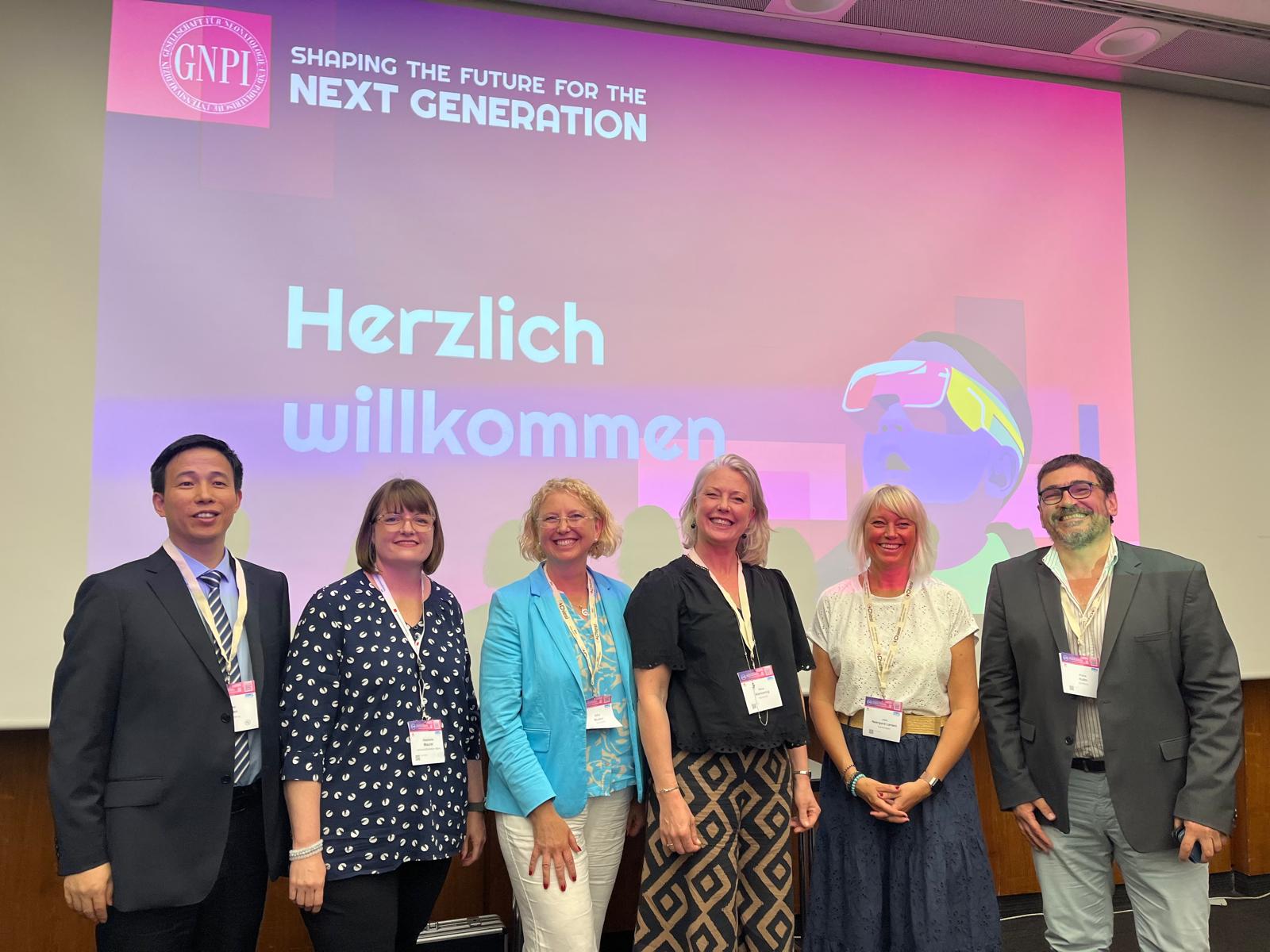
The morning session, 'Learning Beyond Borders: What Can We Learn from Other Countries?', showcased inspiring examples from Sweden, France, Denmark, China, and Germany. Speakers shared insights into immediate skin-to-skin contact and mother–newborn couplet care, neonatal home care models that support family-centered developmental care, and successful breastfeeding strategies for small and sick infants.
Additional presentations explored innovative approaches to managing complex neonatal conditions and highlighted how sustainability initiatives, such as “Green ICU” concepts, are increasingly being integrated into pediatric intensive care settings. Together, these presentations demonstrated the value of international collaboration and the importance of adapting successful practices across healthcare systems.
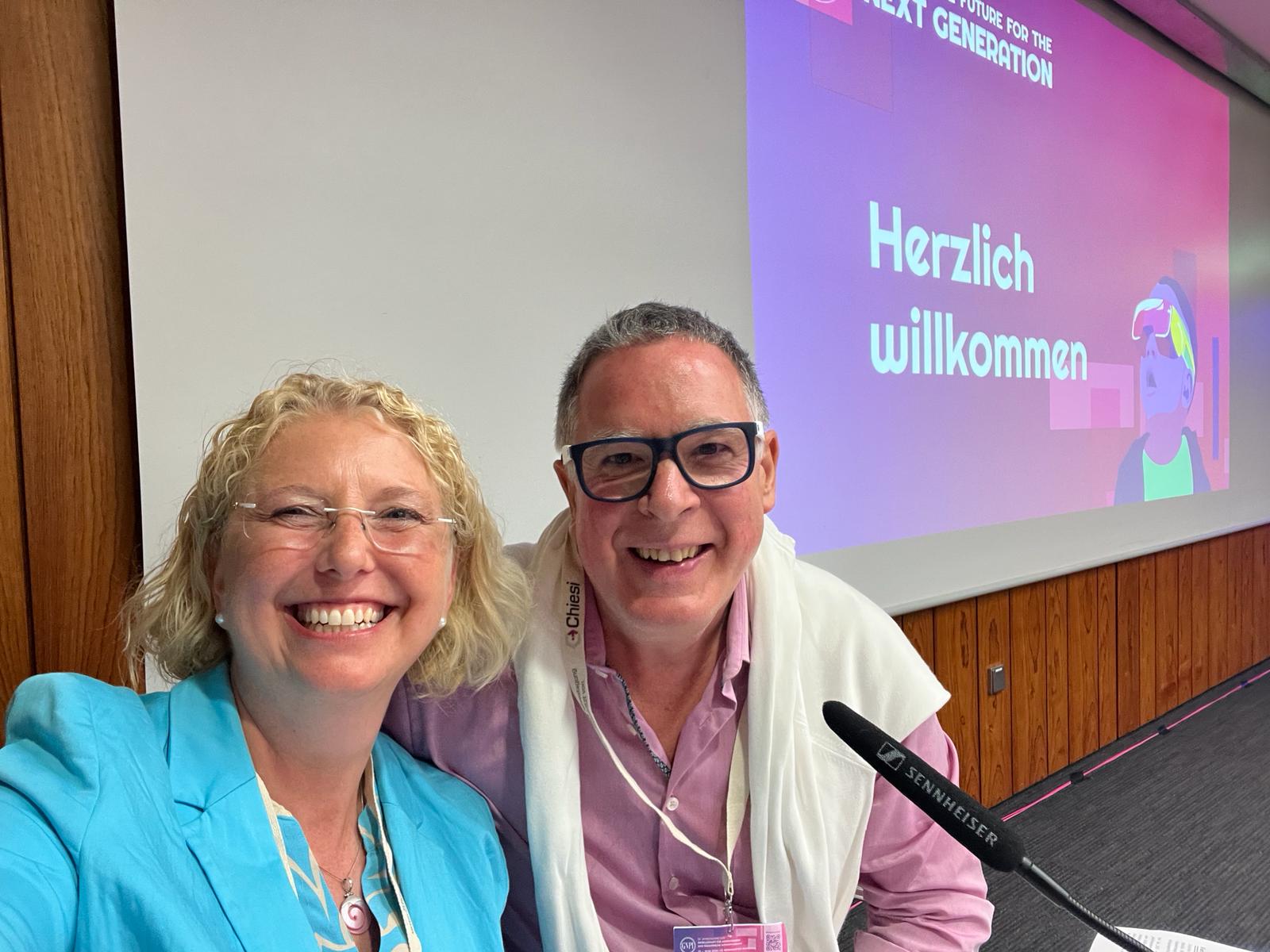
In the afternoon, the session ‘Interculturality, Social Inequality, and Participation in Neonatology’ focused on the social and cultural factors that shape the experiences of newborns and families. Presentations addressed migration and early support services, the role of midwives in intercultural perinatal care, differing expectations between families and healthcare professionals, and the need for culturally sensitive communication in both routine and end-of-life care.
The session also presented research on the relationship between language barriers and developmental outcomes in preterm infants, emphasizing the importance of equitable access to information, support, and follow-up care. The discussions reinforced a shared message: high-quality neonatal care must be family-centered, culturally responsive, and accessible to all families, regardless of their background.
GFCNI is the first global organization and network to unite patients, families, healthcare professionals, medical staff, and scientists from different disciplines, fields, and countries – all with the joint goal of advancing the health and quality of care for newborns and their families across the globe.
GFCNI is a non-profit organization established under German public law. Tax Reference Number: 143/235/22619
© 2026 GFCNI. All Rights Reserved.