Pregnancy Complications
Infant- and Family-Centered Developmental Care
Respiratory Infections
Neonatal Eye Health
Hygiene
Rare Diseases
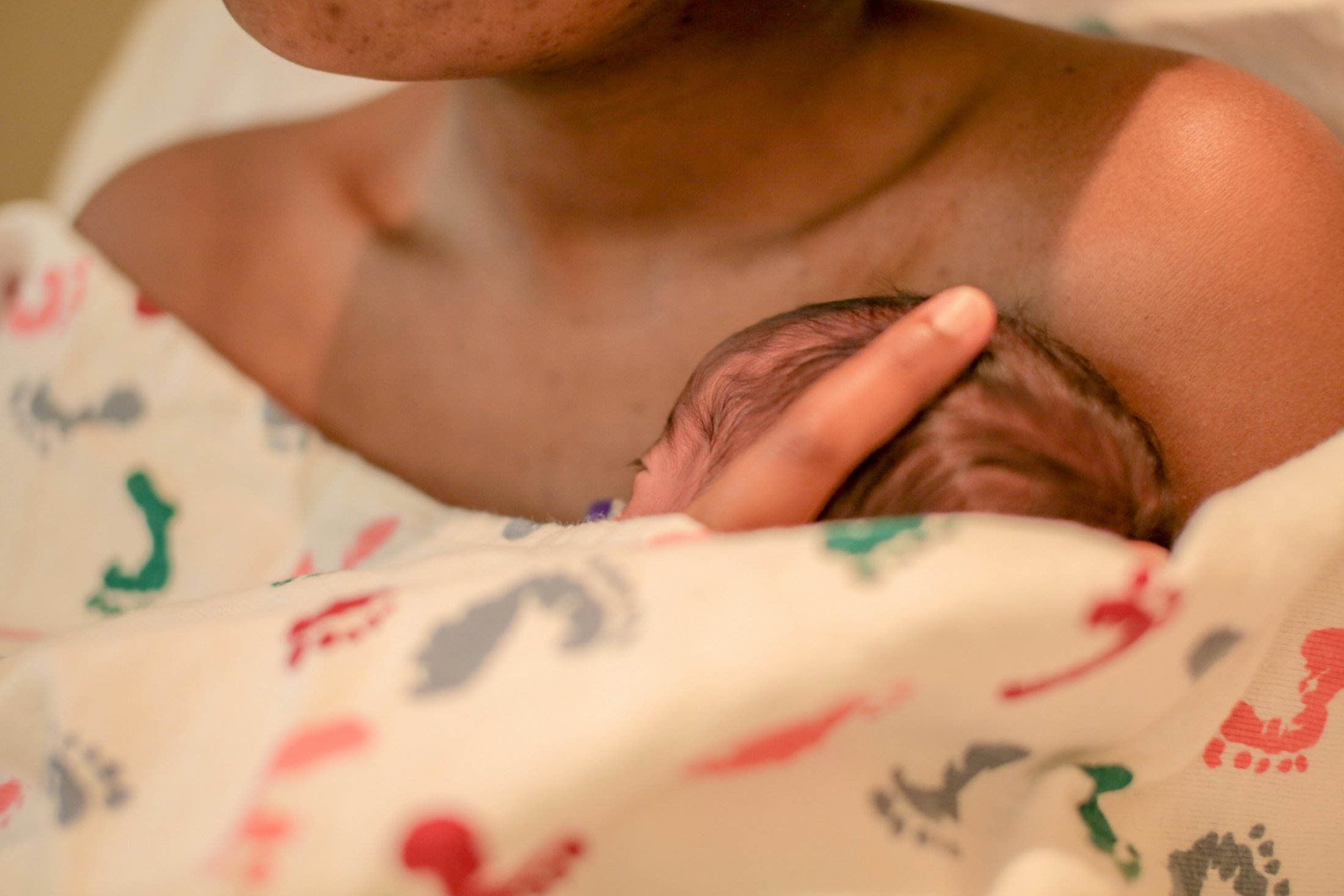
Preterm infants and those with low birthweight face a high risk of complications, including infections and death. Providing safe, effective care in neonatal units is essential to improve outcomes. Kangaroo Mother Care (KMC), which involves skin-to-skin contact between the infant and caregiver, is already known to support stabilization. This study, a systematic review and meta-analysis of 29 trials including over 17,000 low-birthweight infants, explored whether hospital-initiated Kangaroo Mother Care (KMC) also helps prevent infections. Overall, the study shows that Kangaroo Mother Care (KMC) reduces mortality as well as serious infections in these vulnerable infants.
Preterm infant care often takes place in hospital settings where infants are exposed to infection risks. Low-birthweight infants are especially vulnerable due to immature immune systems. According to the World Health Organization (WHO) Kangaroo Mother Care (KMC) includes three essential components: Continuous and prolonged skin-to-skin contact (8–24 hours per day, for as long as possible), initiated immediately after birth, exclusive breastfeeding or breastmilk feeding and timely discharge from the NICU to a lower level of care or home. This method has been studied widely and is increasingly recognized as part of high-quality preterm infant care.
The study under discussion here reviewed randomized controlled trials comparing Kangaroo Mother Care (KMC) with conventional neonatal care. It included 29 studies conducted mostly in hospital settings across different countries. The analysis focused on outcomes such as mortality, sepsis, and invasive infections in low-birthweight infants.
The study found that Kangaroo Mother Care (KMC) significantly lowers the risk of death in low-birthweight infants. It also reduces the likelihood of sepsis and other invasive infections. Infants receiving Kangaroo Mother Care (KMC) had fewer cases of infection-related complications and lower infection-related mortality. These benefits may be linked to reduced exposure to hospital pathogens and improved immune protection through skin-to-skin contact and breastfeeding.
In addition, Kangaroo Mother Care (KMC) was associated with fewer episodes of hypothermia and apnea. These findings suggest that the intervention supports overall stability while also protecting against infection. Some evidence also indicates that Kangaroo Mother Care (KMC) may help reduce harmful bacterial colonization, although more research is needed in this area.
For parents of preterm infants and neonatal health professionals, these findings highlight the importance of Kangaroo Mother Care (KMC) as part of routine care. It is not only a bonding practice but also a protective intervention that can improve survival and reduce infections. Integrating Kangaroo Mother Care (KMC) into standard hospital practices may strengthen infection prevention strategies in neonatal units.
Kangaroo Mother Care (KMC) plays a key role in improving outcomes for preterm infants. Its combined benefits for survival and infection prevention support its wider use in neonatal care worldwide.
Author Information
Paper available at: https://doi.org/10.1016/S2352-4642(25)00130-0
Full list of authors: Minotti, C.; Jost, K.; Aghlmandi, S.; Schlaeppi, C.; Sieswerda, E.; van Werkhoven, C.H.; Schulzke, S.M.; Bielicki, J.A.
DOI: 10.1016/S2352-4642(25)00130-0[AB1]
Learn more about Kangaroo Mother Care (KMC): Kangaroo Mother Care – Skin-to-Skin for Preterm and Sick - www.gfcni.org
GFCNI is the first global organization and network to unite patients, families, healthcare professionals,
medical staff, and scientists from different disciplines, fields,
and countries – all with the joint goal of advancing the health and quality of care for newborns and their families across the globe.
GFCNI is a non-profit organization established under German public law. Tax Reference Number: 143/235/22619
© 2026 GFCNI. All Rights Reserved.