Pregnancy Complications
Infant- and Family-Centered Developmental Care
Respiratory Infections
Neonatal Eye Health
Hygiene
Rare Diseases
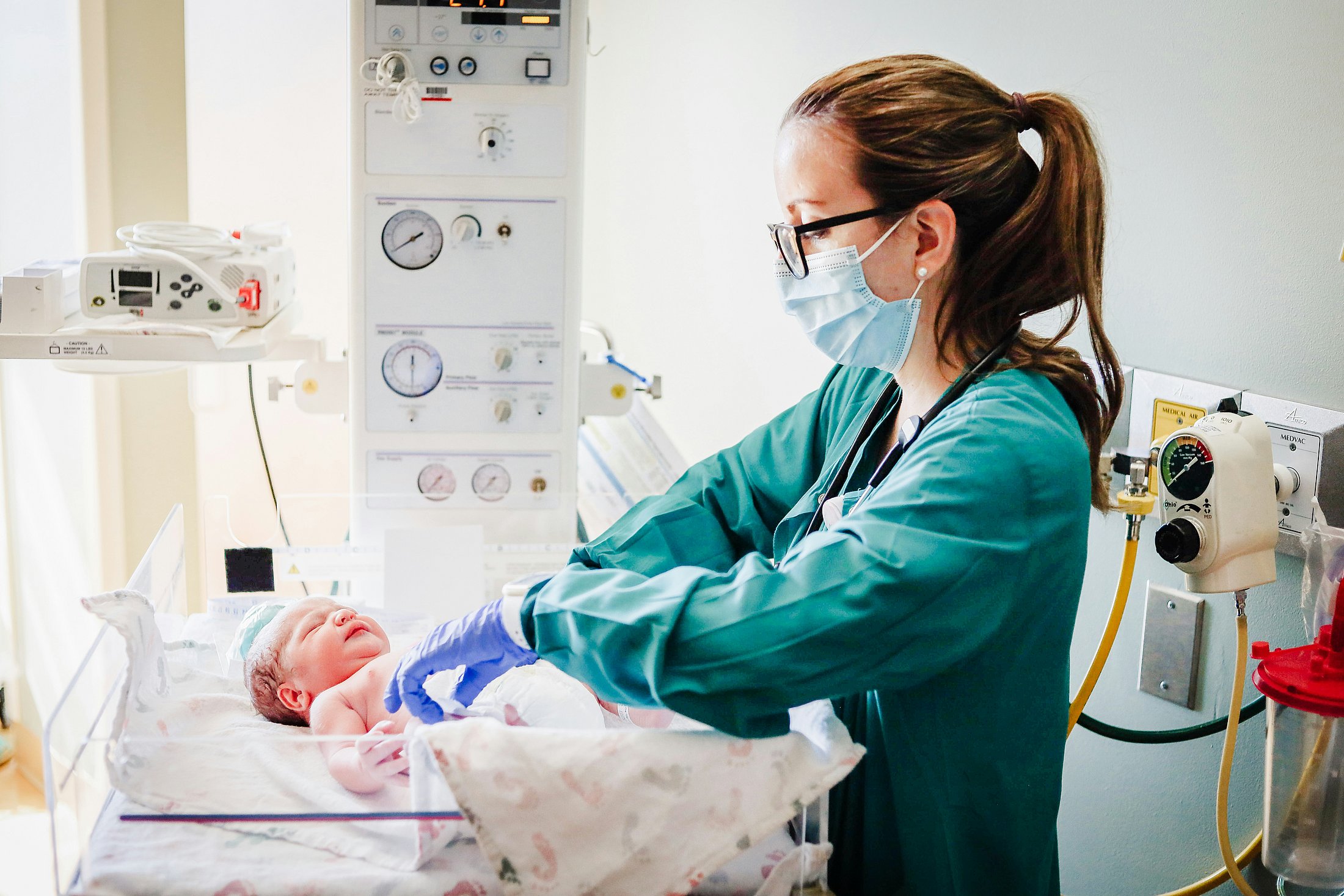
Providing consistent, high-quality care in the neonatal intensive care unit (NICU) can become more challenging when nurses experience high workloads. Every nursing task plays an important role in keeping infants safe and supporting their development. This prospective observational study from the United States included 247 nurses caring for 1,468 infants across 10 NICUs. They found that nurses who reported higher subjective workload were more likely to miss essential nursing care, while caring for more than two infants per nurse also increased the likelihood of missed care.
Reliable neonatal nursing care depends on nurses having enough time and attention for every infant. When workload becomes too high, some essential care activities may be delayed or missed. This study explored how different types of nurse workload affect the quality of neonatal nursing care and whether staffing ratios alone explain missed care.
Researchers followed nurses working in 10 level II, III, and IV NICUs in the United States. They compared objective measures of workload, such as the number of infants assigned to each nurse, with nurses’ own ratings of how demanding their work felt. At the end of each shift, nurses completed a survey indicating whether any of 16 essential nursing care activities had been missed while caring for their assigned infants.
The study found that nurses were more likely to miss essential care when they experienced higher subjective workload. This association was seen across all 17 types of nursing care that were evaluated. Staffing ratios also mattered. Nurses caring for three or more infants during a shift had higher odds of missed care than nurses caring for one infant. The effects of staffing ratios became smaller when subjective workload was considered, suggesting that nurses’ overall experience of workload plays an important role in reliable care delivery.
The researchers found few meaningful links between infant acuity scores and missed nursing care. Some care activities, including routine infant assessments, developmental care, and hourly intravenous site assessments, were more likely to be missed during shifts with higher workloads. Human milk administration according to safety protocols was among the least frequently missed care activities. The findings suggest that reducing workload may be a crucial step in improving the consistency of nursing care across many aspects of NICU practice.
For parents of preterm infants and neonatal nurses, the findings highlight the importance of working environments that support reliable care. Reducing nurses’ workload, particularly when caring for more than two infants during a shift, should strongly be considered to improve the delivery of essential nursing care. The authors also suggest that nurses’ own assessment of workload could be key in early identification of situations where additional support is needed.
The study highlights that supporting neonatal nurses involves more than staffing numbers alone. Recognizing how demanding a shift feels for nurses and how important their work is may help healthcare teams protect the quality and consistency of care for every infant.
Paper available at: JAMA Pediatrics
Full list of authors: Tubbs-Cooley, H. L.; Carle, A. C.; Mark, B. A.; Gurses, A. P.; Pickler, R. H.; Hall, P. D.; Bartman, T.
DOI: 10.1001/jamapediatrics.2025.3647
GFCNI is the first global organization and network to unite patients, families, healthcare professionals, medical staff, and scientists from different disciplines, fields, and countries – all with the joint goal of advancing the health and quality of care for newborns and their families across the globe.
GFCNI is a non-profit organization established under German public law. Tax Reference Number: 143/235/22619
© 2026 GFCNI. All Rights Reserved.