Pregnancy Complications
Infant- and Family-Centered Developmental Care
Respiratory Infections
Neonatal Eye Health
Hygiene
Rare Diseases
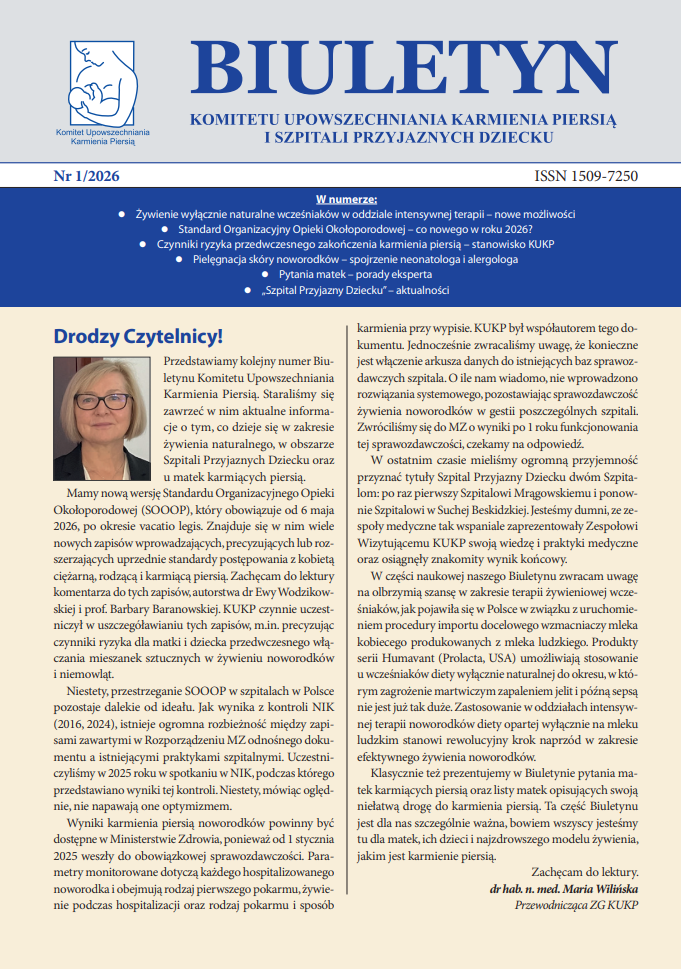
Ahead of World Breastfeeding Week, a new bulletin from the Polish Committee for the Promotion of Breastfeeding (Komitet Upowszechniania Karmienia Piersią, KUKP) offers a timely look at current developments in breastfeeding support, neonatal nutrition, and baby- and family-friendly hospital care in Poland.
Published for healthcare professionals and families, the first 2026 issue combines policy updates, clinical articles, practical guidance, and mothers’ personal experiences. At its center is an important national development: Poland’s updated Organizational Standard for Perinatal Care, which entered into force in May 2026 and strengthens breastfeeding and lactation support across pregnancy, birth, hospitalization, and follow-up care.

The revised standard gives lactation care a more clearly defined and continuous role throughout the perinatal period. It places greater responsibility on healthcare facilities to provide professional breastfeeding education, assess feeding, document interventions, and ensure that mothers can access appropriate support when difficulties arise.
The standard also strengthens the role of midwives as key professionals in lactation care. Their responsibilities now extend from antenatal education and support with the first feeding to continued assessment during the hospital stay and after discharge.
Other changes aim to protect the earliest opportunities for closeness and breastfeeding. The standard calls for at least two hours of skin-to-skin contact when the health of the mother and newborn allows, including after cesarean birth. It also emphasizes early breastfeeding, support when mothers and infants must be separated, access to breast pumps, and the collection of colostrum when direct feeding is not yet possible.
For families facing pregnancy loss, serious illness, or a decision not to breastfeed, the updated framework also includes guidance on compassionate care and safe lactation suppression.
Clear national standards matter, but their effect depends on how consistently hospitals put them into practice. Several articles in the bulletin focus on the everyday clinical steps that can protect breastfeeding and help families feel supported.
These include uninterrupted skin-to-skin contact, rooming-in, timely help with positioning and attachment, and careful assessment before introducing supplemental feeding. The bulletin also highlights the importance of consistent advice from healthcare teams. Conflicting information can leave parents uncertain and may contribute to breastfeeding difficulties or earlier-than-planned cessation.
Cesarean birth receives particular attention. Mothers who give birth by cesarean section often experience delayed skin-to-skin contact, pain, limited mobility, or separation from their newborn, all of which can make breastfeeding initiation more difficult. The bulletin outlines practical ways to support early contact and feeding in the operating or recovery room, provided that the mother and infant are clinically stable.
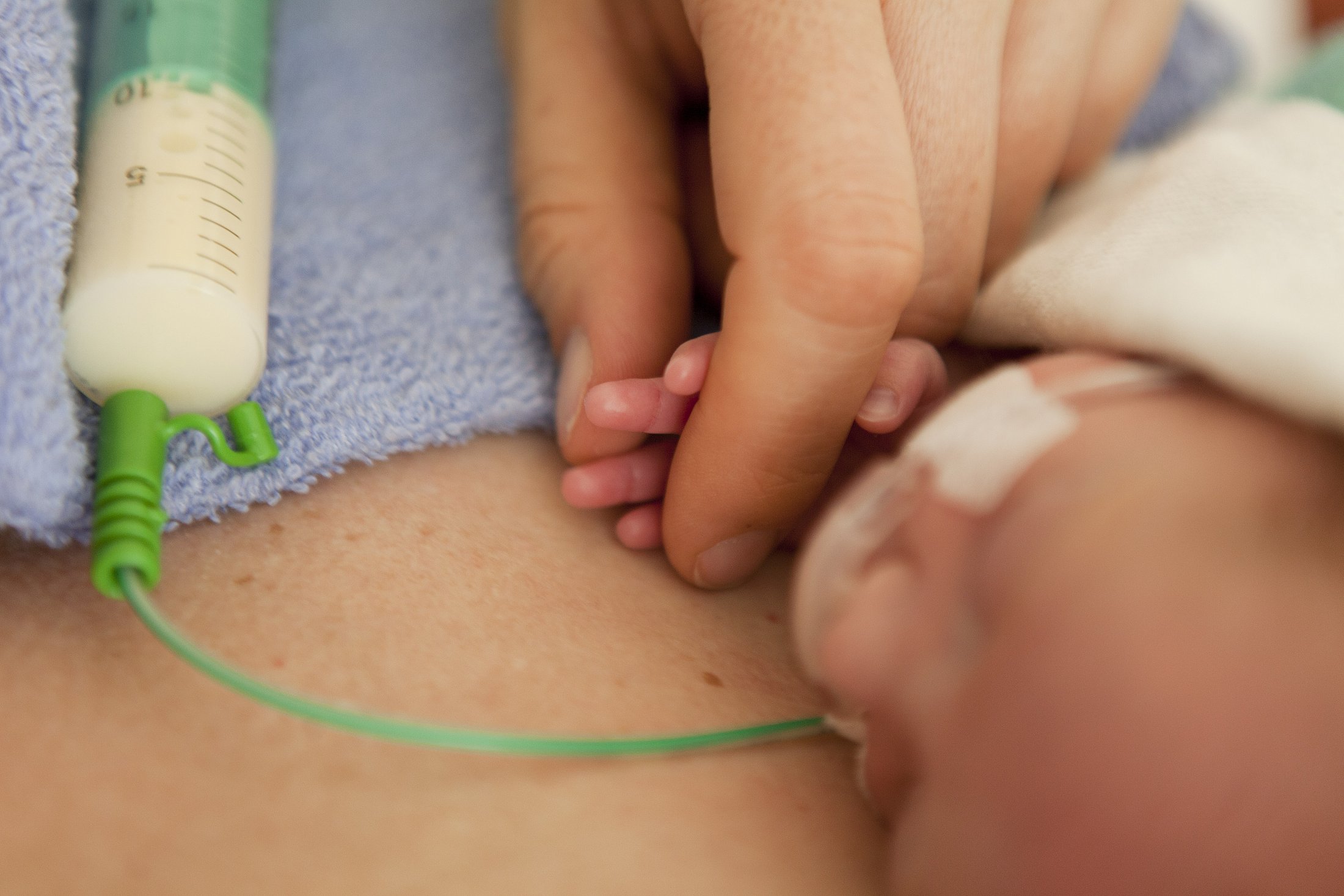
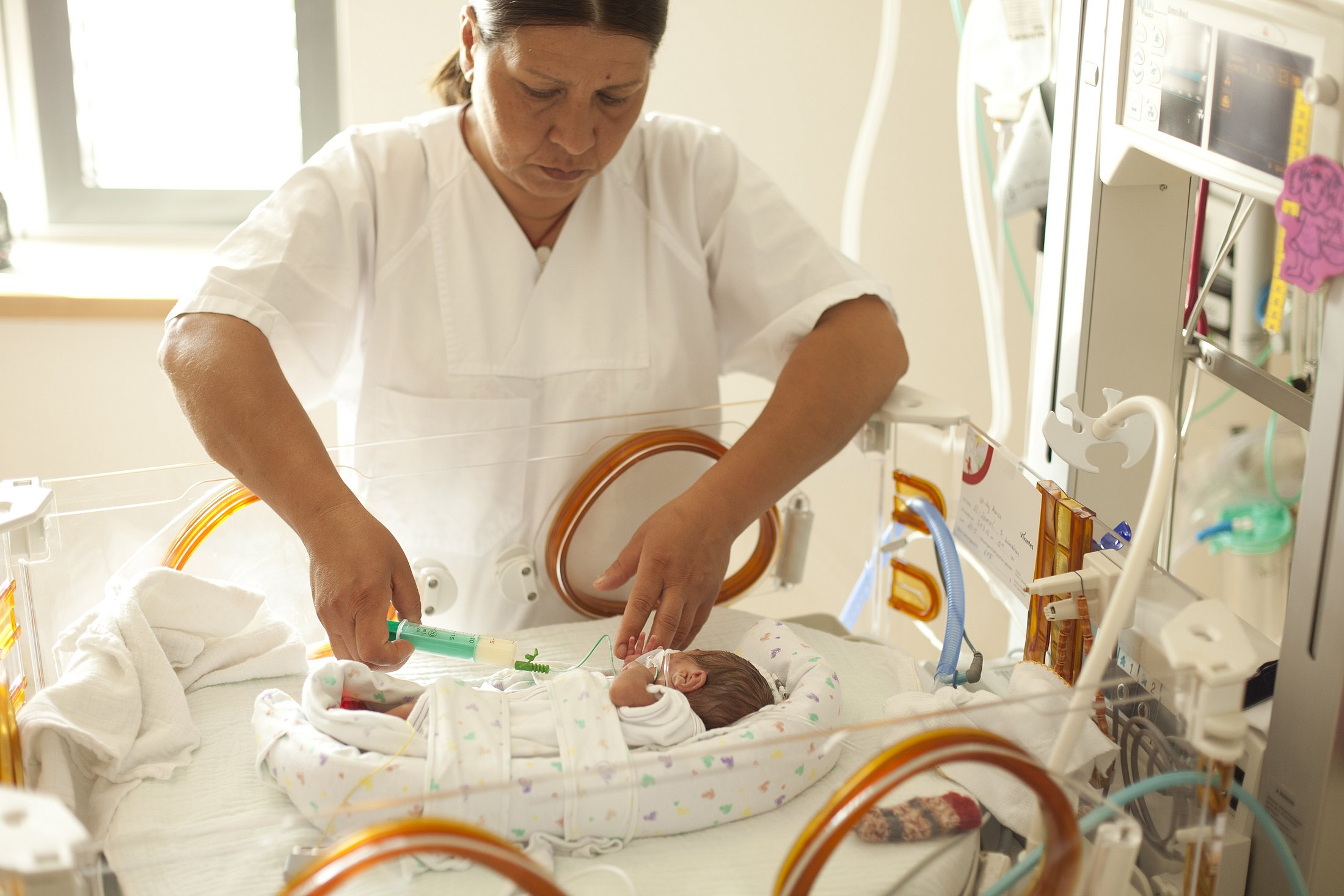
Several contributions address nutrition for very preterm and very low birth weight infants. Human milk offers important protection for these newborns, but milk alone may not fully meet their increased nutritional needs. Fortification can provide additional protein, minerals, and energy to support growth and development.
The bulletin discusses approaches that combine the mother’s own milk, donor human milk, and, when clinically indicated, human milk-based fortifiers. It also examines feeding intolerance associated with cow’s milk-derived products and the potential role of human milk-based alternatives in selected infants.
These articles reflect a wider clinical discussion about how neonatal teams can protect the benefits of human milk while meeting the complex nutritional needs of infants born too soon. They also underline the importance of individualized assessment, careful growth monitoring, and access to donor milk where the mother’s own milk is unavailable or insufficient.
In addition, the publication responds to practical questions that often concern both families and healthcare professionals. Its expert advice section covers breastfeeding during pregnancy, epilepsy and antiepileptic medication, anesthesia, and contrast agents used during magnetic resonance imaging.
A consistent message runs through these contributions: many medical situations do not automatically require breastfeeding to stop. Instead, families need individualized advice based on the mother’s treatment, the infant’s condition, current evidence, and close clinical monitoring.
The bulletin also reviews the benefits and challenges of feeding expressed breast milk. Pumping may be essential when a newborn is born preterm, critically ill, or unable to feed directly at the breast. However, mothers who rely exclusively on expressing milk often need more structured professional and emotional support to maintain lactation over time.
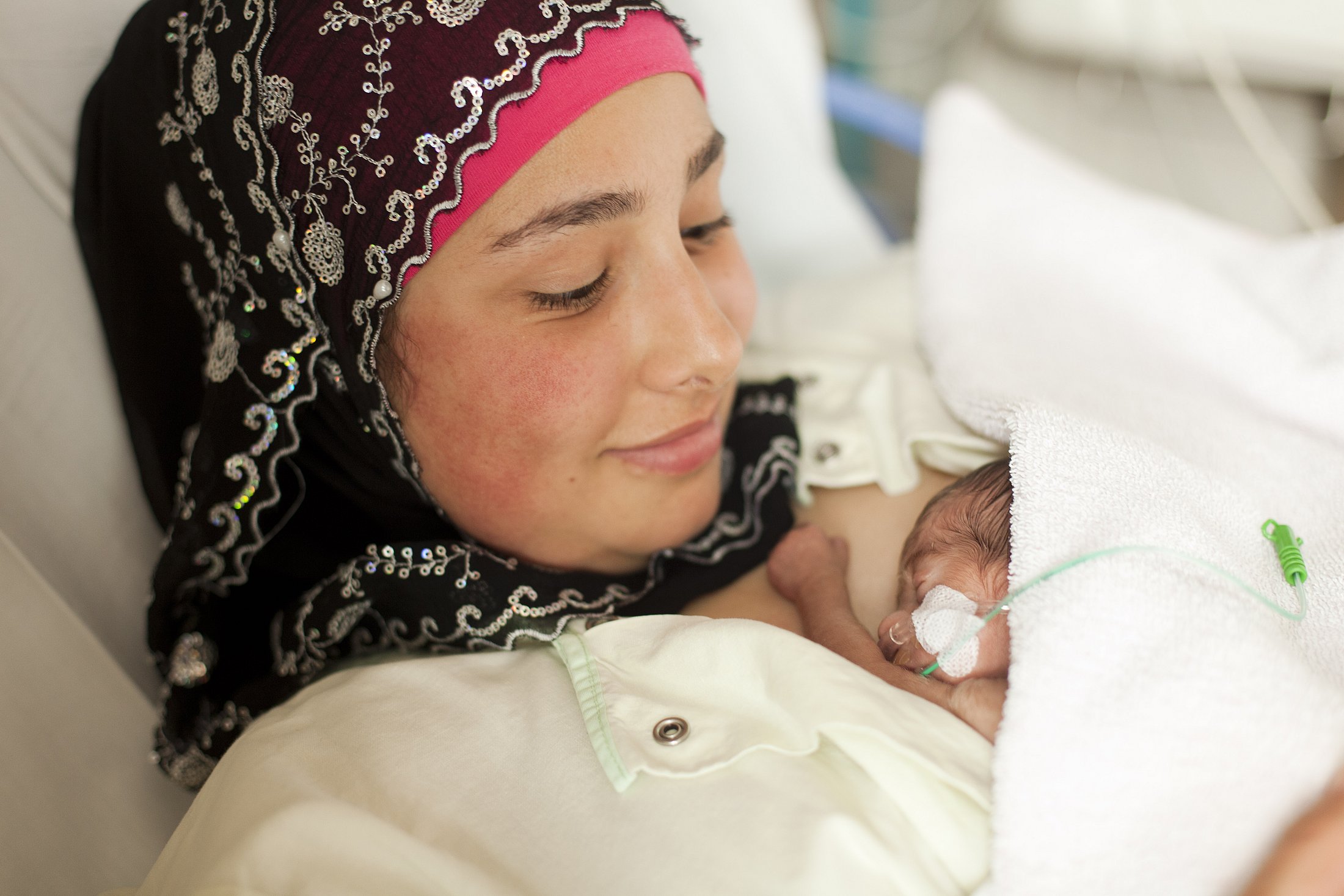
Alongside clinical guidance, mothers share their experiences of breastfeeding after preterm birth, cesarean delivery, chronic illness, and separation from their newborns. Their stories describe difficult beginnings, uncertainty, pumping at the bedside or at home, and the value of support from partners, midwives, lactation specialists, and human milk banks.
These perspectives are an important reminder that breastfeeding support involves more than information. Families also need time, practical help, empathy, and care that respects their individual circumstances and decisions.
The bulletin concludes with developments from the Baby-Friendly Hospital Initiative in Poland. It reports the recertification of the hospital in Sucha Beskidzka and the first certification of the hospital in Mrągowo. Both examples show how staff training, shared procedures, documentation, family education, and multidisciplinary commitment can translate breastfeeding standards into daily hospital care.
The new bulletin presents breastfeeding support as a shared responsibility. Clear policies create the foundation, but healthcare professionals, hospitals, families, and communities bring those policies to life. As World Breastfeeding Week approaches, the publication offers a useful reminder that lasting progress depends on evidence-based care, trained teams, continuity of support, and systems that respond to the needs of every mother and newborn.
GFCNI is the first global organization and network to unite patients, families, healthcare professionals,
medical staff, and scientists from different disciplines, fields,
and countries – all with the joint goal of advancing the health and quality of care for newborns and their families across the globe.
GFCNI is a non-profit organization established under German public law. Tax Reference Number: 143/235/22619
© 2026 GFCNI. All Rights Reserved.