Pregnancy Complications
Infant- and Family-Centered Developmental Care
Respiratory Infections
Neonatal Eye Health
Hygiene
Rare Diseases
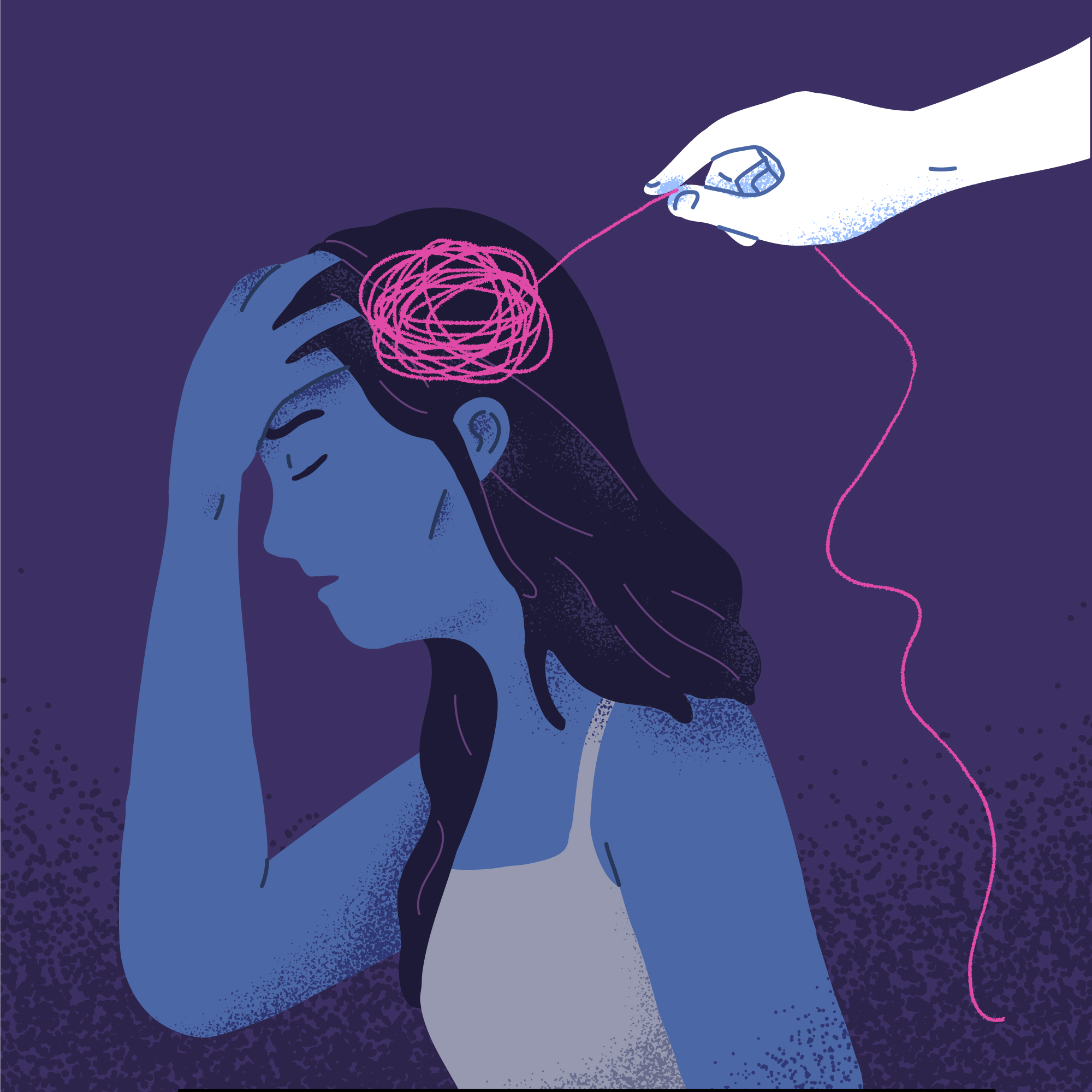
Preterm birth can affect health far beyond the newborn period. Mental health is one area where questions still remain, especially as children grow into adolescence and adulthood. This study looked at whether people born preterm were more likely to be diagnosed with psychiatric disorders later in life. Researchers used linked health records from Quebec, Canada, and followed 303,375 individuals from age 11 into adulthood. For parents of preterm infants and healthcare professionals, the study offers long-term insight into mental health after preterm birth. The findings showed that preterm birth was linked to a higher risk of several psychiatric disorders, and the risk was generally higher at lower gestational ages.
Preterm birth is already known to shape long-term health, but mental health outcomes are harder to track over time. In this study, preterm birth meant birth before 37 weeks of pregnancy. The researchers examined whether people born preterm were more likely to later receive diagnoses such as ADHD, psychosis, bipolar disorder, anxiety, or depression. This helps expand understanding of preterm infant care beyond the early years.
The study was an observational cohort study using administrative health data from Quebec, Canada. It included 100,040 people born preterm and 203,340 matched term-born individuals. Participants were followed from age 11 until a first diagnosis of a psychiatric disorder, death, or the end of follow-up in 2019. The researchers also looked at whether sex or socio-economic status changed these patterns.
Compared with term-born individuals, those born preterm had a higher risk of all the psychiatric outcomes studied. The strongest association was seen for ADHD, while the smallest increase was seen for anxiety. A dose-response pattern was also found: the earlier a child was born, the higher the risk for ADHD, psychosis, and anxiety. For example, the risk of psychosis was highest among those born extremely preterm, lower in those born very preterm, and lower again in those born moderate-to-late preterm. Each additional week of gestation was linked to a lower risk across all outcomes.
The study also tested whether these links were different for males and females or across socio-economic groups. Some statistical differences appeared, but the authors concluded that these were not large enough to be clinically meaningful. Overall, the increased mental health risk after preterm birth was similar across sexes and socio-economic strata. Sensitivity analyses showed similar results, supporting the main findings.
For parents of preterm infants and healthcare professionals, the findings suggest that mental health follow-up may matter well beyond early childhood. The study supports closer attention to emotional, behavioral, and psychiatric health in children born preterm, especially those born at lower gestational ages. The authors note that current Canadian guidance includes close follow-up for extremely preterm children in early life, but there are no official guidelines focused on psychiatric monitoring beyond school age.
This study cannot explain exactly why these outcomes happen, but it shows that mental health should remain part of the conversation in long-term preterm infant care. Families and health professionals may benefit from discussing concerns early and over time.
Full list of authors: Balit, J.; Collet, O.; Yang, S.; Côté, S.M.; Nuyt, A.M.; Luu, T.M.; Orri, M.
DOI: 10.1177/07067437251389872
GFCNI is the first global organization and network to unite patients, families, healthcare professionals,
medical staff, and scientists from different disciplines, fields,
and countries – all with the joint goal of advancing the health and quality of care for newborns and their families across the globe.
GFCNI is a non-profit organization established under German public law. Tax Reference Number: 143/235/22619
© 2026 GFCNI. All Rights Reserved.