Pregnancy Complications
Infant- and Family-Centered Developmental Care
Respiratory Infections
Neonatal Eye Health
Hygiene
Rare Diseases
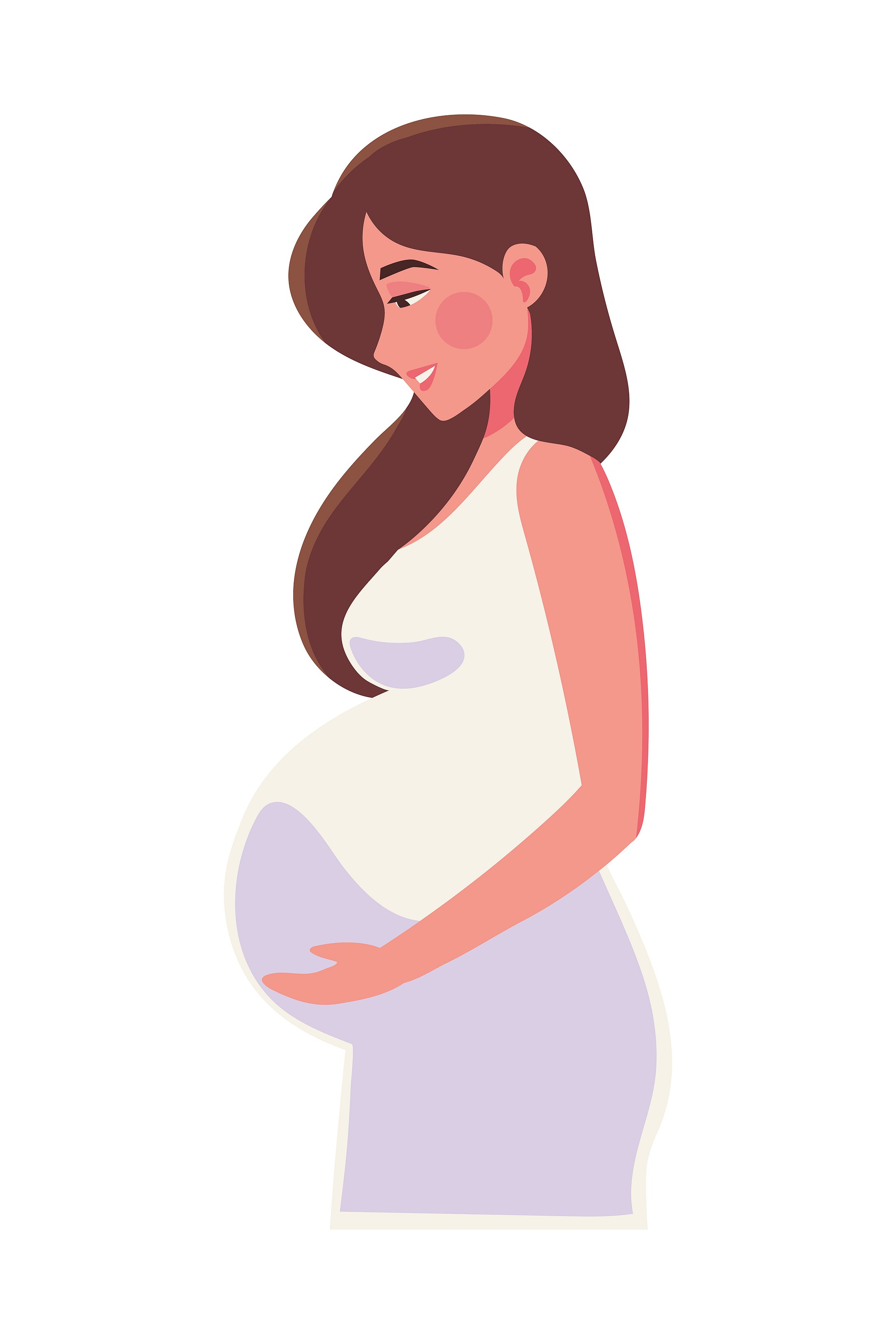
Many pregnant women feel informed about the general risks of preterm birth, yet may not retain the knowledge needed to recognize their own individual risk. Preterm birth remains a leading cause of newborn death worldwide, making awareness and understanding essential parts of prevention and care. A recent cross-sectional survey conducted online among 247 pregnant women across five European countries explored how well women understood preterm birth risks and how much they recalled from conversations with their health care providers. The study found that while many women reported feeling aware of preterm birth risks, their ability to recall specific information was often limited, especially among those with a history of previous preterm birth.
Preterm birth is one of the most significant challenges in newborn health today. It remains the leading cause of death among newborns and contributes heavily to health problems that can last a lifetime. Even though efforts to prevent preterm birth have advanced in some areas, many pregnant women still feel unprepared or lack full awareness of preterm birth risk factors and warning signs. Understanding what women already know, and where the gaps lie, is an important step toward better prevention and care.
To explore this, researchers conducted an online survey of pregnant women across five European countries: France, Germany, Poland, the United Kingdom, and Sweden. Nearly 250 women between 12 and 32 weeks of pregnancy took part, sharing what they knew about preterm birth risks and what they recalled from conversations with their health care providers.
The findings revealed a mixed picture of awareness. Nearly half of the women in the study were classified as being at higher risk for preterm birth, based on their pregnancy history or current pregnancy factors. Yet among these higher-risk women, more than a third did not recognize their elevated risk in the current pregnancy, even though they had experienced a previous preterm birth. Overall, most women rated their awareness of preterm birth risks as moderate, though awareness levels varied noticeably between countries. Importantly, this self-reported awareness did not differ between women at higher risk and those not considered at risk, suggesting that feeling informed does not always align with actual risk status.
Beyond general awareness, the study also looked at how much women could recall from discussions with neonatal nurses and other health care professionals. This recall was generally limited, with many women remembering only one or two themes from these conversations, such as risk factors or lifestyle advice. Specific topics like warning signs, monitoring during pregnancy, and details about medical interventions were recalled far less often. This pattern held true regardless of whether a woman was considered at higher or lower risk for preterm birth.
The authors offer two possible explanations. Women who see their risk as current tend to absorb advice that feels immediately relevant. Those who view a past preterm birth as history may not sense their present risk and therefore take in less. General or rushed counselling may also leave only a vague impression rather than specific, memorable facts. The authors conclude that awareness on its own is not enough. Clearer, more personal conversations are needed to help women become active partners in prevention and care.
These findings highlight an important disconnect between feeling informed and truly understanding personal preterm birth risk. For future parents and neonatal nurses, this suggests that conversations about preterm birth risk may need to be revisited more than once during pregnancy, using clear and consistent messaging. The researchers point to a wider set of steps, such as naming a woman’s risk clearly, sharing a few key take-home points, and following up at later visits. As part of this, gently checking that key points have come across, sometimes called “teaching back,” can help ensure that important information is not just heard, but remembered.
Paper available at: PREPARE: Pregnancy Research on European Women’s Preterm Birth Awareness, Risk, and Education - Gian Carlo Di Renzo, Silke Mader, Eleonora Brillo, Dilly O. C. Anumba, 2026
Full list of authors: Di Renzo, G.C.; Mader, S.; Brillo, E.; Anumba, D.O.C.
DOI: 10.1177/26884844261431680
GFCNI is the first global organization and network to unite patients, families, healthcare professionals,
medical staff, and scientists from different disciplines, fields,
and countries – all with the joint goal of advancing the health and quality of care for newborns and their families across the globe.
GFCNI is a non-profit organization established under German public law. Tax Reference Number: 143/235/22619
© 2026 GFCNI. All Rights Reserved.