Pregnancy Complications
Infant- and Family-Centered Developmental Care
Respiratory Infections
Neonatal Eye Health
Hygiene
Rare Diseases
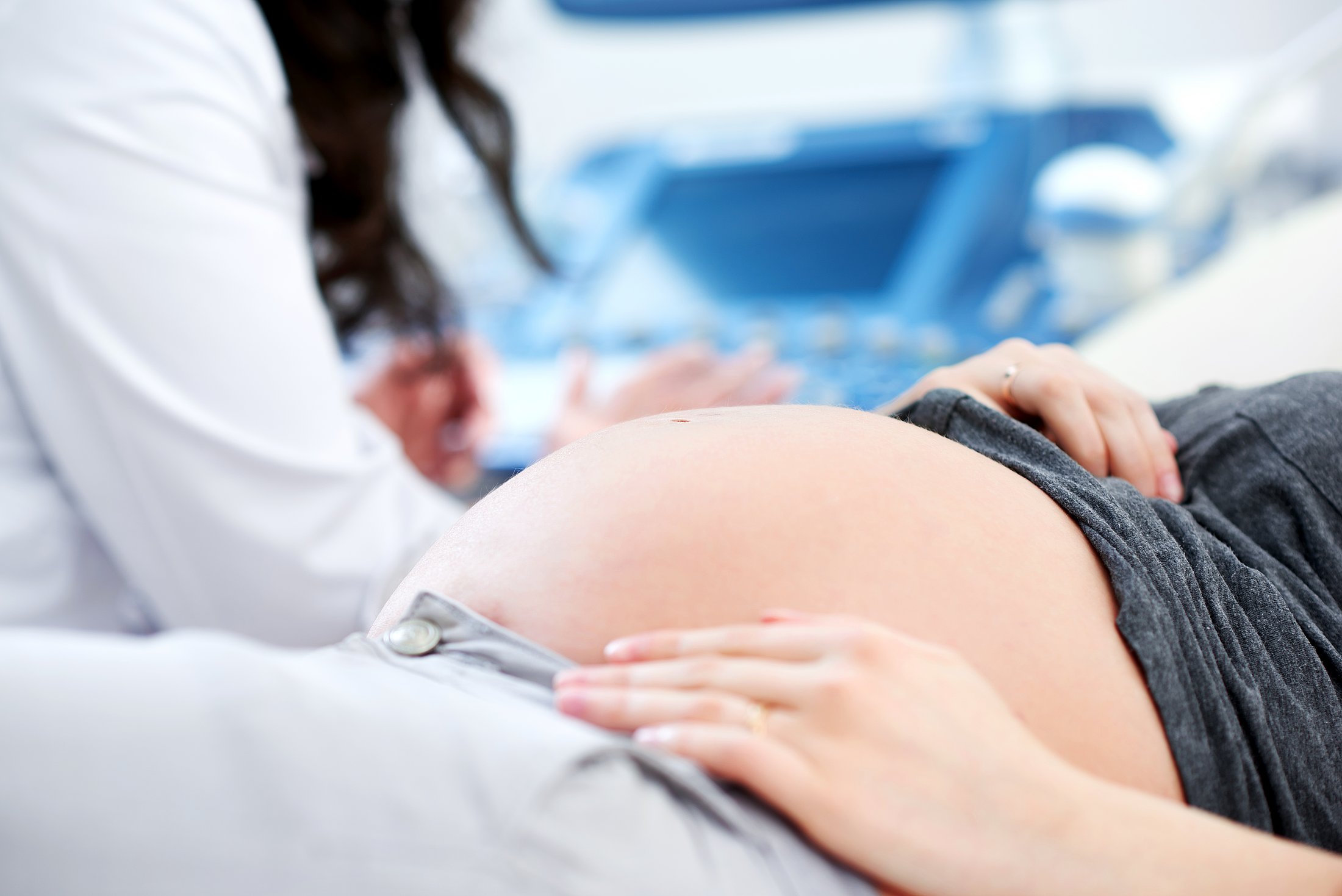
Preterm birth and other pregnancy complications can affect a family’s life long after delivery. These complications are linked not only to future health risks, but also to a wider set of social and economic challenges that families may face. A new cross-sectional study surveyed mostly Back and Latina women in the United States who had previously given birth, examining how pregnancy complications relate to unmet social needs. The study found that women with a history of pregnancy complications, including preterm birth, reported significantly higher levels of unmet social needs than women without such a history.
Pregnancy complications, such as preterm birth, high blood pressure disorders, and gestational diabetes, do not only affect the health of an infant and a parent during pregnancy. Growing evidence suggests they may also be tied to lasting challenges in daily life, from unstable housing to limited access to transportation. Understanding these connections could help health systems better support families long after birth. This is especially relevant for communities who already face greater barriers to care.
To explore this connection, researchers surveyed nearly 900 Black and Latina women in New England. Participants completed a standardized screening tool that measured unmet social needs across 13 different areas of daily life, including food, housing, and employment.
The study found that nearly half of the women had experienced at least one pregnancy complication, including preterm birth, in a previous pregnancy. Women with a history of these complications were significantly more likely to report a high number of unmet social needs compared to women without this history. This pattern held true across several types of complications, including preterm birth, high blood pressure disorders, gestational diabetes, and low birth weight. Notably, the more different types of complications a woman had experienced, the greater her overall burden of unmet social needs tended to be. Needs related to education stood out as the area most strongly linked to a history of pregnancy complications. This need appeared across all complication types studied, possibly reflecting barriers like limited job access or health literacy.
Beyond education, women with a history of complications also reported greater needs around family and community support, transportation, and employment. These associations remained consistent even after accounting for factors such as the participants’ age and how much time had passed since their last pregnancy. The findings suggest that pregnancy complications may point to broader, ongoing social challenges rather than being isolated medical events.
Notably, earlier research studied this link in the opposite direction. It focused on how unmet social needs can raise the risk of pregnancy complications. This study instead asked whether the reverse also holds true: whether a history of complications can point toward unmet needs. The researchers describe this as a shift in perspective, viewing complications not only as medical events but as possible signals of ongoing social vulnerability. They suggest that this framing carries a practical advantage. A history of pregnancy complications is often already part of a person’s medical record. This would make it an easy-to-spot signal for care teams, helping them identify families who might benefit from added support without the need for separate, extensive screening.
These findings highlight that supporting families after a complicated pregnancy may need to go beyond medical follow-up alone. Recognizing pregnancy complications, including preterm birth, as a potential signal of broader social needs could help care teams connect families with helpful resources sooner. Simple conversations about access to education, transportation, or community support during postpartum visits are an important first step. On their own, though, they may not be enough. Connecting families to concrete resources and support services is what turns those conversations into lasting change.
Paper available at: Adverse Pregnancy Outcomes and Health-Related Social Needs Among Parous Women | Obstetrics and Gynecology | JAMA Network Open | JAMA Network
Full list of authors: Rana, M.; Economy, K.E.; James, K.E.; Belak, L.; Viscosi, V.R.; Eweka, I.E.; Ensing, G.M.; Sarma, A.A.; Powe, C.E.; Honigberg, M.C.
DOI: 10.1001/jamanetworkopen.2026.28595
GFCNI is the first global organization and network to unite patients, families, healthcare professionals,
medical staff, and scientists from different disciplines, fields,
and countries – all with the joint goal of advancing the health and quality of care for newborns and their families across the globe.
GFCNI is a non-profit organization established under German public law. Tax Reference Number: 143/235/22619
© 2026 GFCNI. All Rights Reserved.