Pregnancy Complications
Infant- and Family-Centered Developmental Care
Respiratory Infections
Neonatal Eye Health
Hygiene
Rare Diseases
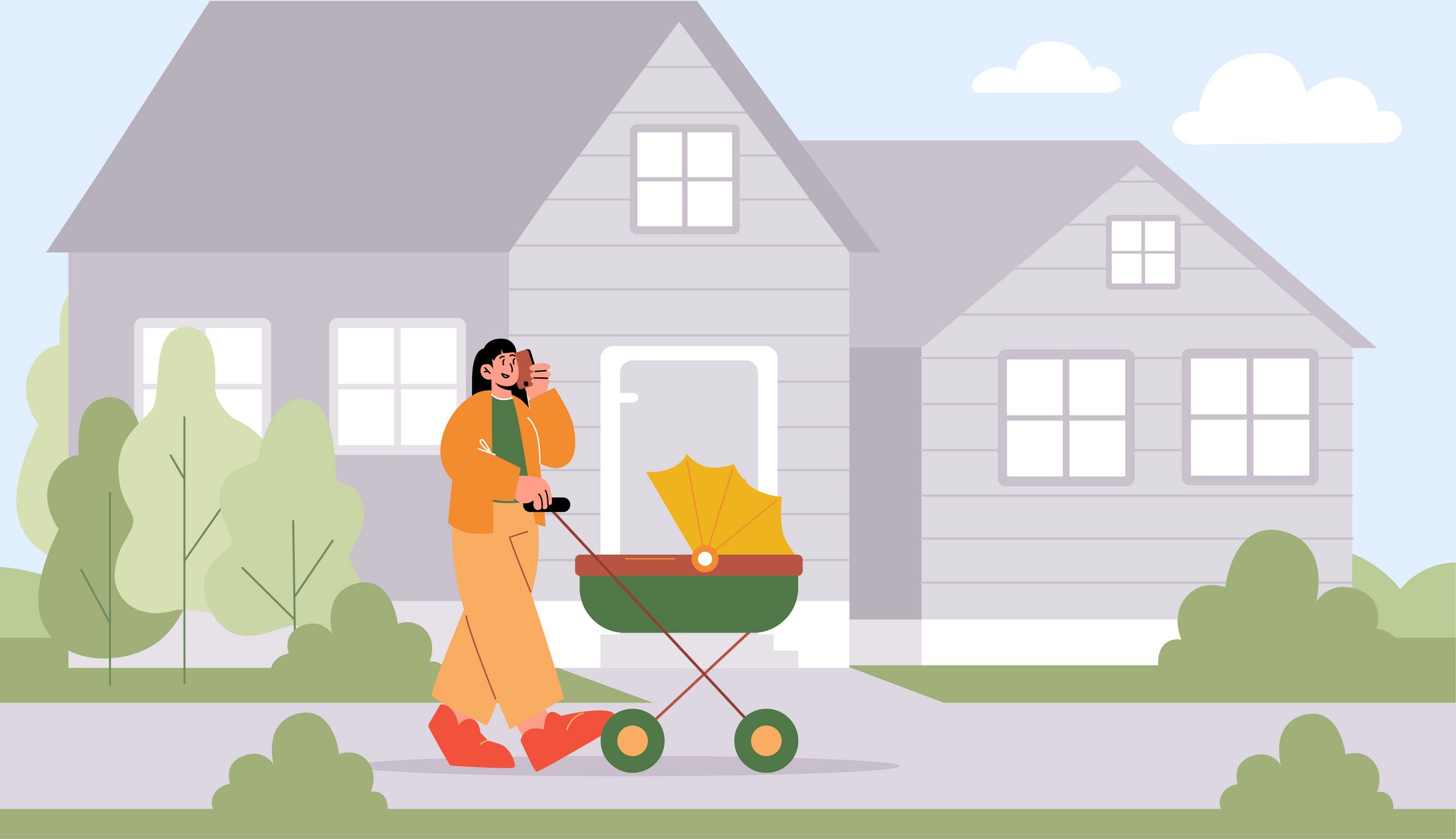
Transitioning from hospital to home can be challenging for preterm infants and their families. Differences in discharge practices and unclear criteria may affect how prepared parents feel. Consistent and well-structured discharge planning is important to support both infant safety and parental confidence. A descriptive mixed-method study from Sweden examined discharge criteria, staff decision-making, and home care practices across 36 neonatal units. The study involved interviews with physicians and nurses responsible for discharge processes. It found wide variation in practices, limited parental involvement, and uncertainty among staff, highlighting the need for more standardized approaches.
The transition from hospital to home is a critical step in preterm infant care. However, discharge planning is not always consistent, which can affect outcomes. In this study, discharge criteria and practices differed both between and within neonatal units. This variation meant that decisions about readiness for discharge were often based on individual staff judgment rather than clear, shared standards.
The study explored how discharge decisions are made and how families are prepared. Researchers found that staff often felt uncertain about the right timing for discharge. In many cases, information for parents was delayed until the infant met discharge criteria, leaving limited time for preparation. The process was largely driven by healthcare professionals rather than shared with parents.
A key finding was that discharge criteria lacked strong evidence and were applied inconsistently. Some units used specific age or weight thresholds, while others did not. Staff relied heavily on personal experience when assessing infant stability. This contributed to differences in length of hospital stay and uncertainty in decision-making. At the same time, parental involvement in care planning was limited, even though parents gradually took on daily care tasks.
Additional findings showed that access to neonatal home care was not equal for all families. Families with language barriers or social vulnerabilities were less likely to receive this support, which may limit their opportunities for a smoother transition home. Discharge preparation was often rushed, and communication between healthcare professionals could be inconsistent, adding further challenges for families. Despite these barriers, once families were enrolled in home care, models combining telemedicine and home visits were seen as effective and supportive.
The findings suggest that earlier and more structured involvement of parents could improve the transition home. When parents are gradually given responsibility and included in planning, they may feel more confident and prepared. Standardized discharge criteria and clearer communication could also reduce uncertainty for both families and staff. Tailored home care support, adapted to family needs, can further ease this transition.
Improving discharge planning is an important step toward better preterm infant care. Parents and healthcare professionals can benefit from discussing expectations early and working together throughout the process.
Author Information
Paper available at: https://doi.org/10.1038/s41390-024-03752-w
Full list of authors: Arwehed, S.; Axelin, A.; Ågren, J.; Thernström Blomqvist, Y.
DOI: 10.1038/s41390-024-03752-w
GFCNI is the first global organization and network to unite patients, families, healthcare professionals,
medical staff, and scientists from different disciplines, fields,
and countries – all with the joint goal of advancing the health and quality of care for newborns and their families across the globe.
GFCNI is a non-profit organization established under German public law. Tax Reference Number: 143/235/22619
© 2026 GFCNI. All Rights Reserved.