Pregnancy Complications
Infant- and Family-Centered Developmental Care
Respiratory Infections
Neonatal Eye Health
Hygiene
Rare Diseases
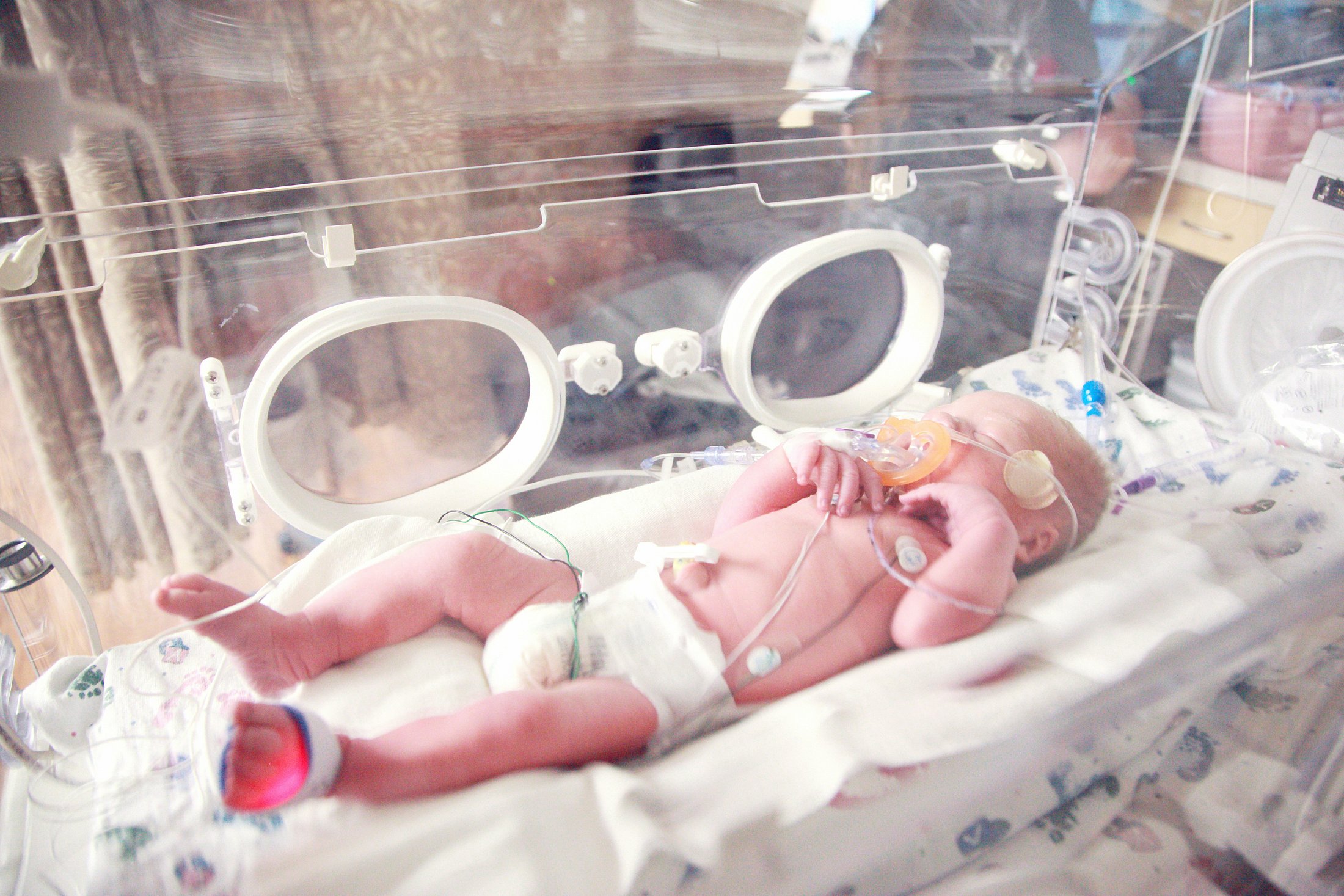
Intermittent hypoxia is often treated with caffein but can continue even after routine caffeine treatment ends in infants born preterm. These repeated episodes of low oxygen levels may contribute to inflammation and affect long-term health, although their full impact is still being studied. This multicenter randomized clinical trial from 16 hospitals in the United States included 160 infants born at or before 30 weeks and 6 days of gestation. The study found that extending caffeine therapy until about 43 weeks’ postmenstrual age reduced intermittent hypoxia and was associated with lower levels of one inflammatory marker, while no differences were seen on brain imaging.
After routine caffeine treatment is stopped, many infants born preterm continue to experience episodes of intermittent hypoxia. These events often happen without obvious symptoms and may continue until around 42 to 43 weeks’ postmenstrual age. Researchers wanted to determine whether extending caffeine therapy could reduce these episodes and improve other markers of health.
The study enrolled infants who no longer needed respiratory support and randomly assigned them to receive either extended caffeine treatment or a placebo. Researchers monitored oxygen levels through approximately 43 weeks’ postmenstrual age and also evaluated blood markers of inflammation and brain MRI findings.
Infants who received extended caffeine therapy had fewer episodes of intermittent hypoxia at every postmenstrual age from 34 through 41 weeks compared with those who received the placebo. Caffeine also reduced time spent at lower oxygen saturation thresholds. In addition, infants receiving caffeine had a 23% greater reduction in the inflammatory marker TNF-α over time. However, researchers did not find significant differences in the other inflammatory biomarkers or in brain MRI measurements between the two groups.
The study also found that fewer infants receiving caffeine needed supplemental oxygen again after randomization, and they were discharged from the hospital sooner than infants receiving the placebo. Infants in the caffeine group gained weight more slowly before discharge, although no important differences were found in serious adverse events or sleep quality. The researchers note that a larger study is needed to determine whether extended caffeine therapy improves long-term outcomes.
For parents of preterm infants and healthcare professionals, these findings suggest that extending caffeine therapy may reduce intermittent hypoxia during the weeks after routine treatment usually ends. The study also provides early evidence that extended caffeine may reduce inflammation without increasing serious adverse events. However, more research is needed before this approach can become standard practice. The results provide encouraging evidence that extending caffeine therapy may offer additional benefits for some infants born preterm.
Paper Available At: Archives of Disease in Childhood Fetal & Neonatal Edition
Full List of Authors: Eichenwald, E. C.; Corwin, M. J.; McEntire, B.; Knoblach, S.; Limperopoulos, C.; Kapse, K.; Heeren, T.; Kerr, S.; Ikponmwonba, C.; Hunt, C. E.; for the ICAF Study Group
DOI: 10.1136/archdischild-2025-329230
GFCNI is the first global organization and network to unite patients, families, healthcare professionals, medical staff, and scientists from different disciplines, fields, and countries – all with the joint goal of advancing the health and quality of care for newborns and their families across the globe.
GFCNI is a non-profit organization established under German public law. Tax Reference Number: 143/235/22619
© 2026 GFCNI. All Rights Reserved.