Pregnancy Complications
Infant- and Family-Centered Developmental Care
Respiratory Infections
Neonatal Eye Health
Hygiene
Rare Diseases
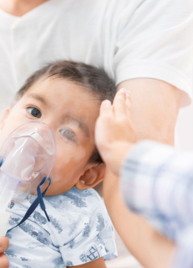
An infant’s hospitalization for respiratory syncytial virus, or RSV, can affect the well-being of the whole family. RSV often causes cold-like symptoms, but some infants develop bronchiolitis or pneumonia and require hospital care. A European observational study examined whether the severity of an infant RSV infection was associated with parents’ health-related quality of life and family functioning. The study included 138 parents from Germany, France, Italy, and Sweden. The findings are relevant to parents of preterm infants and healthcare professionals supporting families during RSV hospitalization. More severe infections were associated with poorer parental quality of life and family functioning during the acute phase of illness.
RSV is a common respiratory infection in early childhood. While many infections remain mild, some infants need oxygen, respiratory support, intensive care, or a longer hospital stay. Such changes can disrupt daily family life and affect parents’ physical, emotional, social, and cognitive well-being. The ResQ Family study therefore considered both the medical severity of the infant RSV infection and its wider effects on the family.
Parents completed a questionnaire about their infant’s infection and their own quality of life. Infection severity was assessed using indicators such as hospitalization for at least five days, oxygen treatment, apnea, intensive care, and mechanical ventilation. Parental quality of life and family functioning were measured with a validated questionnaire designed for caregivers.
Parents of infants with more severe RSV infections reported lower quality of life during the acute phase of illness. After relevant family and child characteristics were considered, their parental quality-of-life score was 12.1 points lower than that of parents whose infants had less severe infections. Their overall family impact score was 10.3 points lower, while their family functioning score was 10.5 points lower. These results suggest that severe infant RSV infection can affect several areas of parental and family well-being.
The association with parental quality of life was particularly evident among parents who had not been offered adequate mental health support during hospitalization.
At follow-up, approximately six weeks later, parents generally reported better quality of life and family functioning. At that stage, the researchers found no significant association between infection severity and the questionnaire scores.
The findings highlight the importance of preventing severe RSV infections and recognizing parents’ needs during hospitalization. The article identifies mental health support, such as counselling, self-help services, and parent groups, as potential ways to improve family well-being that should be explored further. It also emphasizes clear information, health literacy, and the inclusion of parents as key partners in their child’s care.
RSV care should consider both the infant’s medical condition and the well-being of the family. Parents and healthcare professionals can share these findings and discuss available prevention measures and (psychosocial) support with the neonatal team.
Author information
Paper available at: https://link.springer.com/article/10.1186/s41687-026-01157-3
Full list of authors: Trautmannsberger, I.; Bösl, S.; Adamek, I.; Apfelbacher, C.; Beutels, P.; Essers, B.; Ravens-Sieberer, U.; Weil-Olivier, C.; Nenna, R.; Wetzke, M.; Mader, S.; Tischer, C.; Zimmermann, L. J. I.; ResQ Family study group.
DOI: 10.1186/s41687-026-01157-3
GFCNI is the first global organization and network to unite patients, families, healthcare professionals,
medical staff, and scientists from different disciplines, fields,
and countries – all with the joint goal of advancing the health and quality of care for newborns and their families across the globe.
GFCNI is a non-profit organization established under German public law. Tax Reference Number: 143/235/22619
© 2026 GFCNI. All Rights Reserved.